
How To Adjust Composite Door Hinges
How To Adjust Composite Door Hinges

Over time, even the sturdiest composite doors can shift, leading to issues like sticking, draughts, or improper closing. If your door is no longer sitting right, it’s essential to know how to adjust a composite door to fix alignment issues and prevent long-term damage. Thankfully, with the right tools and a few simple steps, you can realign your door and restore smooth operation.
Leaving hinges misaligned for too long can lead to wear and tear on both the door and frame, making timely adjustments essential.
In this guide, we’ll walk you through how to adjust composite door hinges UK homeowners commonly use, ensuring your door functions perfectly in any climate. We’ll cover:
-
Reasons why your composite door hinges need adjusting
-
The tools you’ll need for the job
-
How to make compression, vertical, and lateral adjustments
-
Tips on maintaining your hinges
Let’s get started and get your door working as it should.
Shop Door Hinges Related Categories
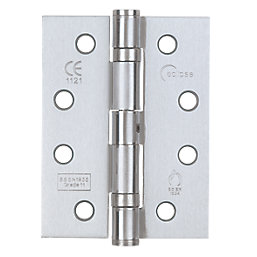

Reasons why your composite door hinges need adjusting
Composite doors can gradually shift out of alignment due to regular use, weather changes, or improper installation. Misaligned hinges not only affect how your door opens and closes but can also lead to long-term damage if left unaddressed. Changes in temperature and humidity can also cause your composite door to shift, leading to hinge misalignment.
Here are the most common reasons why your composite door hinges might need adjusting and how to spot the signs:
-
Door sticking or jamming: If your door scrapes against the frame or floor, the hinges may have dropped or shifted.
-
Gaps around the door frame: Uneven gaps can lead to draughts and reduced insulation, often caused by misaligned hinges.
-
Difficulty locking the door: Misalignment can cause the locking mechanism to not line up properly, making it hard to lock or unlock.
-
Door not closing properly: If the door doesn’t sit flush with the frame, hinge adjustments may be needed to realign it.
-
Draughts or noise from outside: Gaps caused by hinge issues can let cold air and noise in, reducing energy efficiency.
If left unchecked, misaligned hinges can worsen over time, making a simple composite door hinge adjustment more complex.
What can you use to adjust composite door hinges?
To learn how to adjust composite door hinges UK-style, you’ll need the right tools. Using the proper equipment ensures smooth adjustments and prevents damage to the door or hinges. Here’s what you’ll need:
-
Hex keys (Allen keys): Most composite door hinges use hex screws for adjustments. A set of hex keys will help you tighten or loosen these screws with precision.
-
Screwdrivers: Ideal for removing hinge covers or making fine-tuning adjustments, depending on your door’s hinge type.
-
Spirit levels: Ensures the door is perfectly aligned vertically and horizontally after making adjustments.
-
Lubricants: Helps ease stiff hinges and ensures smoother door operation post-adjustment.
-
Protective gloves: Essential for safety, they protect your hands from sharp edges, pinches, and exposure to lubricants during the adjustment process.
Pro tip: Use the correct tool sizes to avoid stripping screws or damaging the hinges during adjustments.
How to adjust composite door hinges: Compression adjustment step-by-step
A compression adjustment is an important part of learning how to adjust composite door hinges, ensuring your door seals tightly against the frame and improves insulation. If your door feels loose or there are gaps around the edges, follow these steps to perform a proper composite door hinge adjustment.
Step 1. Find adjustment screws on the side of the hinge
Open the door wide to access the hinges fully. Look for the compression adjustment screws, usually found on the side or inside edge of the hinge casing. These screws control how tightly the door presses against the frame.
Step 2. Support the door
Place a wedge or doorstop beneath the open door to relieve pressure on the hinges during the adjustment. This helps prevent strain on the door and ensures a more accurate adjustment.
Step 3. Adjust compression
Using a hex key or screwdriver (depending on your hinge type), turn the adjustment screw. Turn it clockwise to increase compression and tighten the seal. Turn it anti-clockwise to reduce compression if the door is too tight. Make small adjustments, about a quarter turn at a time, to avoid over-tightening.
Pro tip: If you're newly learning how to adjust a composite door, remember to always use a spirit level after compression adjustments to maintain perfect alignment.
Step 4. Check the door’s alignment and seal
Close the door to see how it fits within the frame. The door should sit snugly without gaps but still close smoothly. If the door feels too tight or there are still visible gaps, return to Step 3 for further adjustments.
Step 5. Adjust all hinges evenly
Repeat this process on all hinges to adjust composite door hinges evenly, ensuring consistent compression across the door. Inconsistent adjustments can cause twisting or uneven pressure on the frame.
Pro tip: After adjusting, close the door on a sheet of paper. If it slides out easily, the seal may still be too loose.
Step 6. Lubricate the hinges
Apply a small amount of lubricant to the hinges to keep them moving smoothly. Wipe off any excess to avoid attracting dirt.
How to adjust composite door hinges: Vertical adjustment step-by-step
A vertical adjustment is a key step in learning how to adjust a composite door, helping to fix sagging, uneven gaps, or lock misalignment. Follow these steps for an accurate composite door hinge adjustment.
Step 1. Find adjustment screws at the bottom or top of the door
Open the door fully to access the hinges. Find the vertical adjustment screws, typically located at the top or bottom of each hinge. These screws control the door’s height relative to the frame.
Step 2. Prepare the door for adjustment
Support the door with a wedge or doorstop to prevent it from dropping while you adjust the hinges. This helps maintain stability and prevents strain on the hinges.
Step 3. Make the vertical adjustment
Using a hex key or screwdriver, turn the adjustment screws.
-
Turn clockwise to raise the door.
-
Turn anti-clockwise to lower the door.
Make small, even adjustments on each hinge to keep the door balanced.
Pro Tip: Use a spirit level across the top of the door to verify its level after adjustments. Even a slight tilt can cause future alignment issues.
Step 4. Check alignment and gaps
Close the door and check for even gaps along the top and bottom. Ensure the door swings freely without scraping the floor or catching on the frame. Repeat adjustments if needed.
Step 5. Fine-tune for locking alignment
Ensure the door lines up correctly with the locking mechanism. If the door doesn’t align with the lock, return to Step 3 to adjust composite door hinges further for a precise fit.
Step 6. Test and finish
After the vertical adjustment, open and close the door several times to ensure smooth operation. Check that the door closes securely and locks without resistance.
How to adjust composite door hinges: Lateral adjustment step-by-step
Newly learning how to adjust composite doors in the UK? Then you will want to know how to perform a lateral adjustment. This moves your composite door left or right within the frame.
Knowing how to adjust composite door hinges laterally helps fix issues like the door rubbing against the frame, uneven gaps, or latching problems. Follow these steps for a successful composite door hinge adjustment.
Step 1. Find adjustment screws on hinge body
Open the door and identify the lateral adjustment screws on the hinge body. These screws control the door’s side-to-side position. You’ll usually find them on the face of the hinge closest to the door.
Step 2. Prepare the door for adjustment
Support the door with a wedge or doorstop at the bottom to prevent unintentional shifting during the adjustment. This stabilises the door and makes fine-tuning easier.
Step 3. Make the lateral adjustment
Using a hex key or screwdriver, turn the lateral adjustment screws:
-
Turn clockwise to move the door closer to the hinge side.
-
Turn anti-clockwise to move the door away from the hinges.
Make small, even adjustments on each hinge to maintain balance.
Step 4. Check door alignment and gaps
Close the door and check the gaps along both sides. The door should sit evenly within the frame without rubbing or sticking.
Step 5. Fine-tune for proper latching
Test the door’s latching mechanism. If it doesn’t latch properly, return to Step 3 and continue to adjust composite door hinges for a precise fit.
Step 6. Test door operation and finish
Open and close the door several times to ensure smooth operation. Apply gentle pressure to confirm the door remains stable and secure.
How to maintain your composite door hinges
Knowing how to adjust a composite door is just as important as maintaining its hinges to avoid sticking or misalignment. Follow these simple steps to keep them functioning smoothly:
-
Clean the hinges: Wipe the hinges regularly with a damp cloth to remove dust and debris that could affect movement.
-
Lubricate moving parts: Apply a light lubricant to the hinge joints every few months to keep them running smoothly. Avoid heavy oils that attract dust.
-
Tighten loose screws: Check for loose screws and tighten them using a screwdriver to keep the hinges secure.
-
Inspect for wear and tear: Inspect the hinges for rust or damage. Replace worn or faulty parts with high-quality door hinges if needed.
Pro tip: Perform this maintenance every six months to keep your hinges in top condition. Apply lubricant sparingly to avoid attracting dust and grime, which can lead to wear.
Key takeaways for composite door hinge adjustment
Adjusting your composite door hinges is essential for smooth operation and preventing issues like sticking, draughts, or misalignment. Whether it’s a compression, vertical, or lateral adjustment, following the correct steps ensures your door fits securely and functions properly.
Here’s a quick recap of the most important steps:
-
Compression adjustment: Adjust the screws to bring the door closer or further from the frame, improving the seal and preventing draughts.
-
Vertical adjustment: Raise or lower the door to fix sagging or dragging issues and properly adjust composite door hinges.
-
Lateral adjustment: Move the door side-to-side to align it within the frame and ensure proper latching.
Regularly clean, lubricate, and inspect your hinges to prevent future issues like sticking or misalignment.
If you’re fine-tuning your composite doors or starting another project, our expert guide on how to adjust uPVC door hinges has everything you need. And when it’s time for replacements, explore our full range of door hinges to keep every door perfectly aligned.