
How to Remove Paint From Brick Safely
How to Remove Paint From Brick Safely

Brick is a porous material, so paint can soak into the surface and become much harder to remove if you approach it with the wrong method. If you’re wondering about how to remove paint from brick, the safest approach depends on whether the paint is fresh or dried, whether it’s internal or external, and how delicate the brickwork is. You’ll also need to take extra care if you’re working on historic or especially porous masonry, as any aggressive cleaning can risk damaging the face of the brick or mortar joints.
For removing small, fresh marks, gentle hand cleaning is usually the best place to start. When it comes to how to get paint off brick for larger, fully-cured patches, you may need to use a masonry-suitable paint remover. However, patch-testing is crucial before you treat the entire wall.
Shop Paint Related Categories



Key Takeaways
-
Brush First: Start out with the gentlest method, usually brushing or gentle scraping, before you move on to using chemicals.
-
Safety Tip: The safest way to remove paint from brick depends on the age of the paint and the condition of the brick.
-
Specialist Treatment: Always use a specialist remover for stubborn paint, and always avoid high-pressure washing on brickwork.
Why It Is Important To Remove Paint From Brick Carefully
Brick requires a more careful approach compared to smooth surfaces, as its pores and mortar joints can hold paint and cleaning residues. Once the paint has bonded to the brick, being too forceful can remove more than just the coating and potentially leave the surface rough, patchy, or with permanent marks.
Using harsh chemicals or aggressive, high-pressure scraping can damage the outer layer of the brick or erode the mortar. If the paint removal is incomplete, it can also lead to uneven colour changes, which will be more visible on lighter brickwork. Cleaning the brickwork carefully will help keep the wall’s structure sound and reduce the risk of needing repairs later, which is essential when you’re considering how to get paint off brick without causing lasting damage.
Tools Needed For Removing Paint From Brick
Before you start looking at how to get paint off brick, it’s important to gather a few basic tools. Make sure to choose the least aggressive option that’s still capable of doing the job, and work in small areas for better control. Only use chemical products if brushing and scraping aren’t enough.
Here’s a list of tools you’ll need for most projects when removing paint from brick.
-
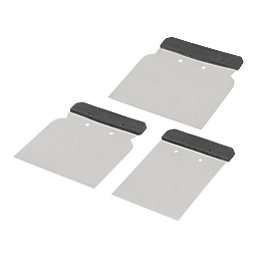
Scrapers for lifting loose and softened paint, without forcing it into the brick’s pores.
-
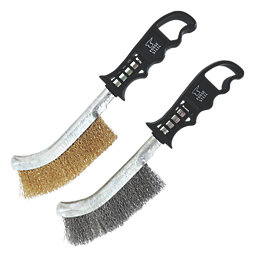
Wire brushes for light surface residue, applied carefully to avoid scarring the brick surface.
-
Work gloves to protect your hands from rough edges and paint remover.
-
Goggles to protect your eyes from dust, splashes, or debris.
-
Dust sheets to protect your floor and nearby surfaces from loosened paint.
-
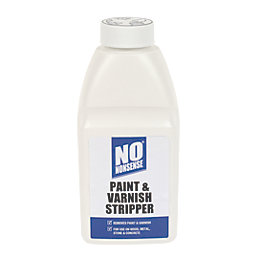
Paint stripper for stubborn, cured paint, if you find you need a suitable masonry product.
-
Sponges for damp wiping, rinsing, or removing residue after treatment.
Step By Step Guide: How To Remove Paint From Brick
Removing paint from brick requires a careful, step-by-step approach to avoid damaging the surface. Start with the least aggressive method and only move to stronger solutions if needed. Follow these steps to safely remove paint while protecting the brickwork.
-
Test a small, hidden area first.
-
Remove loose paint gently with a brush or scraper.
-
Apply a suitable remover if the paint stays bonded.
-
Rinse or wipe away the residue carefully.
-
Let the brick dry, and check the whole wall for any leftover marks.
Step 1: Test a small hidden area first
Always start with a patch test on a small, out-of-sight area. Brick varies a lot in porousness, age, and hardness, so a technique that works well on one wall could leave a mark on another. Doing a patch test will help you see whether the paint softens, spreads, or stains, before you move on to removing paint from brick in a larger section.
Step 2: Remove loose paint with a brush or scraper
Work in small sections, and ease off on any paint that’s already lifting. Use a scraper at a shallow angle and keep the pressure light, as this will help you avoid gouging the brick face or chipping the mortar. Using a stiff brush will allow you to lift any flaky residue without forcing it deeper into the surface.
Step 3: Apply a suitable paint remover
If hand cleaning isn’t enough, you’ll need to use a paint remover that’s suitable for your masonry. Read the instructions carefully and apply the remover exactly as directed, as some products will need time to sit before they start to break down the coating. Remember that a stronger paint remover isn’t always better. For historic or delicate brickwork, a specialist solution is generally safer than an all-purpose removal product.
Step 4: Work the area again and remove residue
Once the paint has softened, go back over the area with a scraper or brush, and gradually lift the coating. Avoid grinding at the same spot for too long, as repeated friction could leave the brick looking worn. Wipe or dab the residue away as you go, and then rinse the wall lightly if the product instructions recommend this.
Step 5: Repeat only where needed, then let the brick dry
Some patches of your wall may need more than one treatment, especially if the paint is old or layered. Repeat it only on the areas that need attention, rather than reworking the entire wall. Once you’ve finished, let the brick dry fully before you judge the result, as damp brick can hide residue and staining.
What Is The Best Way To Remove Paint From Brick?
Generally, the best way to remove paint from brick is the gentlest effective method. If you’re only working on a small area, manual removal using a scraper and brush is generally enough. For larger, more stubborn patches, you may need to use a masonry-suitable chemical remover, as long as you start with a patch test and follow the product’s instructions exactly.
Make sure to avoid excessive pressure washing. Most conservation guidance warns that high-pressure cleaning can damage brick faces and mortar joints. If you’re working with particularly old or soft brickwork, or on a listed building, you may need to hire a specialist conservator.
Will Vinegar Remove Paint From Bricks?
Vinegar might help to remove very small and very fresh paint marks. However, it’s not a reliable solution for dried or thick paint that’s been left to set on brick. Vinegar is best used as a mild and limited option, rather than a full paint removal method. As with any other solution, always make sure to test it out on a small, hidden patch before you start using it on a wider area.
If the paint has cured, cleaning with vinegar is very unlikely to be strong enough on its own. In these cases, gentle scraping and a suitable paint remover will be the more effective option. Always make sure to rinse the area well afterwards, especially if you’re removing paint that’s near mortar joints.
Safety Tips When Removing Paint From Brick
Make sure to wear eye protection and gloves throughout the process, especially when you’re using any paint remover or when hardened paint chips might fly off the surface. If you’re working indoors, it’s also important to make sure the area is well-ventilated, keeping doors and windows open when possible. HSE guidance also stresses using PPE correctly and choosing work gloves that are suited to the paint removal product you’re using.
Work over the wall in small sections, as this will help you control dwell time, cleaning pressure, and residue removal. Taking these precautions will allow you to reduce mess and make it easier to stop if you suddenly notice the brick is reacting badly. Always check the manufacturer’s instructions and follow them carefully, as chemical removers can vary greatly in strength, contact time, and proper cleanup.
Aftercare once paint has been removed
Once the paint is gone, leave the brick to dry completely before you check it over and assess the finish. Damp brick may still show patches, so double-check the area you’ve worked on when the wall is fully dry. Inspect the brick surface closely for any leftover residue, mortar damage, or staining that may need more attention.