
How To Paint Copper Pipes
How To Paint Copper Pipes

Can you paint copper pipes? This question often crops up, and the answer is yes, you can! In this article, we’ll explain how to paint pipes safely and effectively, providing detailed step-by-step guidance on painting copper pipes.
You’ll also learn the importance of using the right type of paint and find out how to select the best paint for copper pipes. We’ve included all the essential information to help you achieve professional results, from surface preparation to maintenance.
Shop Copper Pipe Related Categories
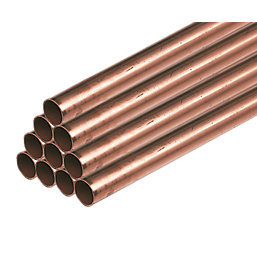
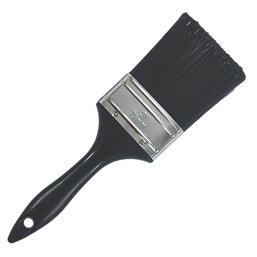
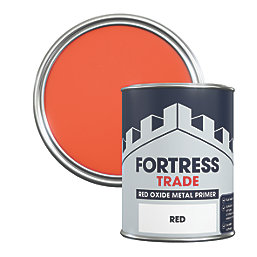

Can you paint copper pipes?
Yes, generally, you can paint copper pipes so long as they’re in good condition. With proper preparation and the correct paint, you can achieve lasting results. Using paint specifically designed for high-heat surfaces is essential for durability and safety when painting pipes.
What do you need to use when painting copper pipes?
Here are the essential tools and materials you’ll need to achieve professional, long-lasting results when painting:
-
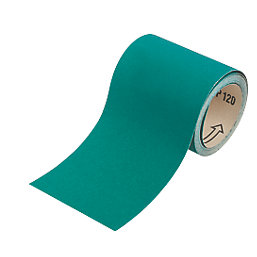
Sanding tools to lightly sand the copper surface, creating a texture that improves the adhesion of the primer and paint.
-
Paint brushes for detailed work and reaching smaller areas where precision is key.
-
Paint rollers for applying a smooth, even coat of paint over larger, flat areas.
-
Primer paint to seal and prepare the copper surface, ensuring the final paint coat bonds effectively.
-
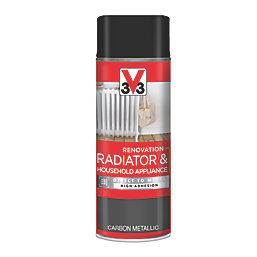
Radiator paint for a high-quality, heat-resistant option that offers durability and is perfect for surfaces that experience temperature variations.
What is the best paint for painting copper pipes?
When choosing your paint, you should think about:
-
Durability. A high-quality copper pipe paint will resist chipping and peeling, ensuring your work remains pristine.
-
Adhesion. Look for specific paint for copper pipes. These types of paint are designed to bond well with metal surfaces, reducing the risk of flaking.
-
Heat resistance. For pipes that run near heat sources or carry hot water, select a product that can withstand high temperatures.
Radiator paint is the most suitable option for longevity, particularly for pipes that run near heat sources or carry hot water. However, you could also use spray paint to quickly achieve an even finish (be sure to protect surrounding surfaces as this can get messy) or emulsion paint for a smooth, modern look.
Whichever paint option you choose, proper surface preparation and priming (using primer paint) are key to achieving effective adhesion and a professional finish.
How to paint copper pipes Step-by-step
Step 1. Clean and prepare the pipes
Even the best paint for copper pipes will adhere poorly and flake over time without proper surface preparation. So, begin by thoroughly cleaning the pipes to remove grease, dirt and any oxidation. Use a damp microfibre cloth for a gentle yet effective clean.
If you’re wondering whether you can paint copper pipes with professional, lasting results, this step is crucial.
Step 2. Apply a primer coat
Next, apply a coat of primer paint evenly over the surface. Priming seals the surface and enhances the adhesion of the paint layer. Always follow the manufacturer’s instructions for drying times to ensure optimal results when painting copper pipes.
Step 3. Lightly sand the pipe
After priming, lightly sand the pipe using appropriate sanding tools. This step smooths out any imperfections and further prepares the surface for the final coat of paint.
Step 4. Paint the pipes
Paint the pipes using your chosen copper pipe paint and preferred method. Use paint rollers for broad, even coverage or paint brushes for detailed work. You may need a couple of coats, so be sure to let each coat dry fully before applying the next layer.
If you’re unsure how to use a paint roller efficiently and effectively, check out our guide for best practices to help you achieve a smooth and professional finish.
Hiring a professional vs painting copper pipes yourself
If you’re still wondering can you paint copper pipes effectively on your own, consider these factors before deciding whether to hire a professional or tackle the project yourself:
-
Evaluate the project's complexity. If the pipes are in hard-to-reach or sensitive areas, a professional might ensure proper handling.
-
Consider cost versus time. Professionals can complete the job faster, but DIY may save money if you’re confident in your skills.
-
Assess your skill level. Familiarity with pipe-painting techniques is key. If you’re unsure, hiring an expert ensures quality results.
-
Budget considerations. One of the main advantages of tackling the project yourself is reducing the cost of labour. However, you should also factor in the cost of potential mistakes and corrections when doing it yourself.
Ultimately, if you know the best paint to use for copper pipes and you’re comfortable with the steps involved in painting, DIY can be rewarding. Otherwise, a professional service might be the best option.
How to maintain painted copper pipes
Once you’ve painted your pipes, you should inspect them regularly to look for any signs of wear or chipping, touching up small areas of peeling with matching paint.
To maintain your fresh paint job and keep the finish pristine, you should also use a soft cloth with mild detergent. Take care to avoid harsh chemicals, as these can damage the paint and cause it to flake.
Key considerations for how to paint copper pipes
Proper preparation is essential when painting copper pipes, so make sure you clean, prime and sand the pipes thoroughly before starting.
You also need to select the best paint for copper pipes, choosing a paint that offers durability, adhesion and heat resistance. Radiator paint is ideal for pipes that run near heat sources or carry hot water. Once you’ve selected your paint, you can then apply it using your preferred method: specialist pipe paint rollers for even coverage or paint brushes for detailed work.
Regular cleaning using a soft cloth and mild detergent is recommended to maintain your fresh paint job and keep the finish pristine.
Now you know you can paint copper pipes successfully, you may want to put any leftover radiator paint to good use and learn how to paint a radiator for your next DIY project.