
How to Paint Behind a Radiator
How to Paint Behind a Radiator

Painting a room can feel like a relatively straightforward task until you reach a radiator. Tucked tightly against the wall, radiators are one of the most common obstacles when decorating. A lot of people are left unsure as to whether they should just ignore the area, attempt an awkward workaround or remove the unit altogether. While taking a radiator off the wall might deliver a flawless finish, it’s a time-consuming, messy and often unnecessary thing to do if all it needs is a simple repaint job. Learning how to paint behind radiators can save a lot of time and energy.
As long as you use the right tools and techniques, you can still achieve a professional-looking result without having to remove anything. This guide explains how to paint behind a radiator safely and efficiently. We’ll offer practical ways to do it, helping you save some time and avoid costly plumbing work. It will also briefly cover when radiator removal might be worth considering.
There is one important safety tip to remember before you start painting behind radiators: always make sure the heating is turned off and the unit is cool to the touch.
Shop Radiator Related Categories

Key Takeaways
-
Prep & Protect: Tape off valves and skirting boards, then ensure the radiator is completely cold and dust-free before starting.
-
Edge Work: Use an angled brush to "cut in" around pipes and brackets, then immediately wipe any accidental paint off the walls.
-
Strategic Rolling: Use a long-reach roller to apply paint in both downward and upward motions to cover hard-to-reach gaps behind the unit.
-
Finish & Cure: Inspect for missed spots with a flashlight and allow the paint to dry fully before turning the heating back on.
Tools And Materials You Will Need
Even total beginners can master how to paint behind a radiator if they have the right tools and know the best preparation techniques. Working in tight spaces can be awkward and using incorrect equipment can result in uneven coverage, unnecessary mess and a lot of stress. Having everything prepared in advance will make the process quicker, safer and far less frustrating. Here’s a list of what you’ll need:
-
Long-reach radiator roller: Tools like a long-handled roller are essential when learning how to paint behind a radiator. It’s designed with an extended handle and slim roller head to reach tight spaces behind the radiator and apply paint evenly.
-
Angled paintbrush: Ideal for cutting in around radiator brackets, pipework and edges where a roller can’t reach.
-
Dust sheets: Painting behind radiators can get messy quickly. Dust sheets are a must-have for protecting floors and nearby surfaces from paint drips and dust while working in small spaces.
-
Masking tape: Using masking tape helps protect surfaces when you paint behind radiators. Useful for covering skirting boards, walls and radiator valves from accidental paint splashes.
-
Sandpaper and a damp cloth: Light sandpaper helps smooth rough patches, while a damp cloth can be used to remove dust and grime from behind the radiator.
Preparation Before Painting
Following a proven method makes it much simpler to paint behind radiators with a clean finish. So first things first, let the radiator cool down completely until it’s cold to the touch. Painting onto a warm or hot surface can cause the paint to dry too quickly, leading to blistering, cracking and poor adhesion. Working in an environment that’s too warm can be uncomfortable and increase the risk of accidents too. Always turn off the heating and wait until the radiator is cold to the touch before starting any preparation or painting.
Check for dust and cobwebs before you paint behind radiators, as they’re a magnet for dirt that can prevent paint from sticking properly. Start by using a duster or a vacuum with a narrow nozzle to remove loose debris. Once the area is clear, wrap a damp cloth around a ruler, stick, or long-handled tool to wipe down the wall behind the radiator, reaching areas that are otherwise inaccessible.
Finally, take time to protect surrounding surfaces. Masking skirting boards, pipes and valves is a crucial step in how to paint behind radiators effectively. This extra step in preparation helps prevent splashes and drips, making cleanup easier and ensuring a cleaner, more professional-looking finish.
How To Paint Behind A Radiator Without Removing It
Don’t want to drain the heating system and remove the unit entirely? Painting behind radiators is possible when you’re using the right technique. With the specialist tools and a methodical approach, you can apply paint evenly in the tight space behind the radiator (while keeping disruption, mess and effort to a minimum). Following these detailed step-by-step instructions to understand how to paint behind radiators:
Step 1. Cut in around the edges
This step creates clean edges and makes rolling easier later. Begin by using an angled paint brush to cut in around the visible edges of the radiator. Carefully paint along the top, down the sides and along the bottom near the skirting board. Push the brush back as far as it will comfortably reach, trying not to force it into tight gaps, as this can cause drips and uneven coverage.
Step 2: Load the radiator roller
Using a behind radiators paint roller makes it much easier to reach tight spaces without removing the entire unit. Pour the paint into a tray and load the radiator roller evenly by rolling it back and forth. Make sure the roller is well coated but not dripping, as excess paint is difficult to control and clean up behind a fixed radiator. A lightly loaded roller gives you better control, reduces splatter and helps achieve a smoother finish in tight spaces.
Step 3: Roll from the top down
Carefully slide the long handle of the radiator roller down behind the radiator, starting at the top of the wall. Apply the paint in vertical strokes, working your way from top to bottom to prevent any drips or missed patches. The slim roller head and extended handle are designed to fit into the tight gap behind a radiator, allowing you to reach areas that are normally difficult to access.
Step 4: Roll from the bottom up
Once step 3 is complete, it’s time to repeat the process from the bottom upwards, using controlled strokes for even coverage. Doing this helps to spot areas that are often missed from above, particularly behind radiator brackets and along the lower section of the wall. Check for thin or patchy areas before moving on to step 5.
Step 5: Check for missed spots
This is the last opportunity to check for any missed patches (AKA ‘holidays’), so use a torch or flashlight to closely inspect the wall behind the radiator. The light will help highlight thin or uncovered areas that are easy to overlook in natural light. If you notice any spots that need covering, touch them up as soon as possible while the paint is still wet to ensure a consistent finish.
Things To Consider When Painting Behind A Radiator
Learning how to paint behind a radiator can save time and often eliminates the need to remove the unit. However, in some cases, taking the radiator off the wall is the only way to achieve a flawless finish. This process involves draining the system, disconnecting valves, and carefully lifting the radiator away. While it gives complete access to the wall space behind, if you’re only completing minor touch-ups or applying a similar colour, it’s often an unnecessary task. For a complete colour change (like going from a neutral shade to a bold tone) leaving the radiator where it is could leave faint white shadows visible from certain angles.
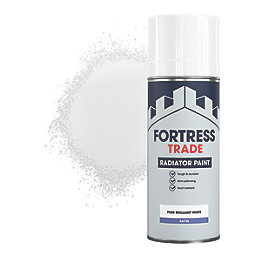
It’s also important to choose the right paint. While most interior wall paints work well behind radiators, if any paint accidentally gets on the radiator itself, it needs to be wiped off immediately to prevent staining. Painting the radiator directly? We recommend consulting our dedicated radiator painting guide for appropriate heat-resistant coatings and techniques. Cleaning the roller after each session keeps your behind radiators paint roller ready for the next use.
Last but not least, allow the wall to totally dry before turning the heating back on. If the heat comes on too soon, it can ‘bake’ the wet paint, which leads to bubbling, streaks and uneven adhesion. Patience is key when learning how to paint behind radiators!
How To Paint Behind A Radiator - FAQs
With the right tools and techniques, painting behind a radiator isn’t as difficult as it might initially look. For example, a behind radiators paint roller with an extendable handle helps reach high or low areas, making the whole process more comfortable. This FAQ section answers common questions and provides practical tips to help you achieve a neat finish without having to remove a radiator.