
Radiators Not Heating Up? Common Problems & Solutions
Radiators Not Heating Up? Common Problems & Solutions

Radiator heating issues can affect one radiator or multiple. If it’s just one radiator not heating up, then this indicates a problem with the radiator itself. Multiple radiators not heating up can be an indication of a system-wide issue. This article explains the most common reasons radiators stop heating properly and what you can do to fix them.
There are many potential causes for multiple radiators not getting hot, such as trapped air in the system restricting hot water from filling the radiator, or low boiler pressure resulting in a failure to push water through the system. Other causes can be blockages that stifle heat transfer inside the radiator and circulation issues caused by a pump failure.
Shop Radiator Related Categories

Key Takeaways
If your radiators are not working, there could be a number of reasons why. The most common are the following:
-
Multiple Radiators Faulty –If multiple radiators aren’t heating up, this usually points to a system-wide heating issue.
-
Common Causes – Pockets of air trapped in the heating system restricting water flow, low boiler pressure struggling to push water into the radiators, and blockages creating a barrier for heat transfer, are all possible reasons for radiators not heating up.
Top Tip – Persistent heating issues may require professional attention.
Common Reasons Your Radiators Aren’t Heating Up And How To Fix Them
There are many reasons why your radiators may not be heating up, and it’s important to understand which is the cause of the system-wide issue to ensure the right action is taken to fix it.
Air trapped in heating system
Your radiators may be failing to heat up due to air pockets trapped inside the heating system. This can come about due to leaks or simply natural water movement but results in air preventing hot water from flowing into the radiator panels, reducing their efficiency or preventing them from working entirely.
To resolve this, you must bleed the pump near the boiler, by locating the bleed screw and turning it until water flows out instead of air.
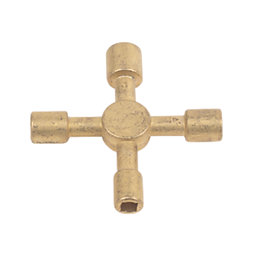
You must also bleed the radiators affected. To do this, turn the central heating off and allow the radiators to cool down before locating the small valve on the side of the radiator at the top – this is known as the bleed valve. Open the valve using a radiator key or screwdriver. You’ll hear a hissing sound as trapped air escapes. Once water begins to come out steadily, close and tighten the valve.
Low boiler pressure
Radiators not heating up can also be the result of low boiler pressure. This is because low boiler pressure means there is insufficient water in the heating system to generate the force needed to push hot water into the radiators, meaning the radiators won’t work.
To fix this, locate the pressure gauge (usually on the front of the boiler). If the needle sits below one bar, or in the red zone, the pressure is too low.
If this is the case, the next step is to locate the filling loop, which is a flexible hose with one or two valves connecting the boiler to the water mains. Open these valves slowly until you hear water filling the system. Watch the gauge while you do this, and close the valves once you see the needle hit 1.2–1.5. Reset the boiler if necessary.
Sludge or blockages in the system
Blockages made of limescale, rust, and debris that settle at the bottom of the radiator can create a barrier that limits heat transfer and blocks water flow throughout the radiator. These types of blockages can also force the boiler to work even harder to push water through the radiators.
Sludge build-up can be a system-wide issue and will affect radiators that are older in particular. If your radiators aren’t working at all, or you notice cold spots near the bottom of the radiator, that's a sign that you’re dealing with a blockage.
If this is the case, you should contact a professional to deal with it.
When To Call A Professional
If you have persistent issues with your radiators not getting hot or failing to work, or you suspect or know the issue is the result of a system fault or boiler issue, then it is best to contact a professional.
Upgrade Or Replace Your Radiators
Sometimes replacement is the best option for faulty radiators. Older radiators and those with persistent issues are less efficient.
Purchasing a new radiator could be an opportunity to improve the heating performance in your home and is worth considering if you notice less efficiency from your current radiator or if your radiator does not work despite measures taken to fix it.