
How To Bleed a Radiator Step-by-Step Guide
How To Bleed a Radiator Step-by-Step Guide

If you’ve noticed cold spots or hissing noises, you might need to bleed your radiator. Air can become trapped in the system, stopping hot water from circulating properly and leading to inconsistent heating in your home.
So, how do you bleed a radiator efficiently? In this guide, we’ll go through the tools you need, show you how to bleed a radiator and troubleshoot common issues to help you reinstate optimal heating performance.
Shop Radiator Related Categories
How can you tell when to bleed your radiators?
One critical task in maintaining your radiator is bleeding it. Bleeding a radiator involves releasing trapped air from the system, which allows hot water to flow freely and ensures optimal performance. But how do you recognise if your radiator needs bleeding? Here are some telltale signs:
There are a few telltale signs to look out for to know if your radiator needs bleeding:
-
Uneven heating: cold patches at the top or bottom of your radiator suggest air is trapped and preventing proper heat distribution.
-
Gurgling or hissing noises: air is trapped and needs to be released.
-
Reduced efficiency: if your radiator takes longer to heat up or doesn't get as warm as it used to, bleeding may be necessary.
Why is it important to bleed your radiators?
Air naturally enters your central heating system over time, forming pockets that block hot water flow. You may have noticed that your room takes longer to heat up than usual or heard gurgling noises coming from your radiator; these are telltale signs that your radiator needs bleeding.
By learning how to bleed a radiator, you can release the trapped air, allowing the hot water to circulate freely and reducing the need to turn up the thermostat to compensate (and, subsequently, your energy bills).
Ignoring the problem can lead to wasted energy and noisy pipes, so it’s important to bleed your radiator at least once a year or whenever you notice cold spots on the surface. By doing so, you’ll ensure your heating system operates efficiently, keeping your home at the perfect temperature throughout the year.
Tools you will need for bleeding radiators
The right tools can significantly simplify the process of bleeding a radiator and make it more efficient. Here are the essential tools you'll need:
-
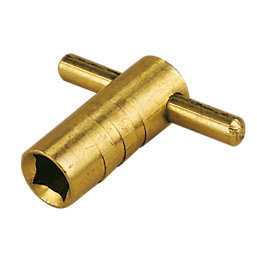
Radiator key: an L-shaped metal tool that fits the bleed valve to release trapped air. Many modern radiators can also be opened with a flat‑head screwdriver instead of a key.
-
Cloths or towels: protect floors by catching any water drips that may spill out during the bleeding process.
-
Bucket or container: collects excess water for tidy disposal.
-
Long‑nose pliers: grips and turns stiff valves.
Can you bleed radiators without a radiator key?
This depends on your radiator. Most modern radiators have a slotted bleed valve you can open with a flat‑head screwdriver instead of a key. If you can see a straight, single slot (like on a screw) rather than a square or hex recess, your radiator is designed for a flat‑head screwdriver. Some newer radiators also include a built-in valve (a small plastic or metal tab with a slot), which always turns with a screwdriver.
Safety precautions to take when bleeding a radiator
Top tips to effectively bleed your radiators
-
Turn off your central heating and let the radiator cool before you bleed the radiator.
-
Begin bleeding at the lowest radiator and work upwards.
-
Check and restore the boiler pressure after bleeding if you have a pressurised system.
How to bleed a radiator in 7 simple steps
If your radiator isn’t heating up properly or has cold spots, you may need to bleed it. How do you bleed a radiator? Here's a step-by-step guide to help you through the process:
Step 1. Turn off central heating
Safety advice on how to bleed a radiator in the UK always states that you should ensure your central heating system is turned off and the radiator is cool to the touch before starting.
Step 2. Locate the bleed valve
Find the radiator bleed valve (you’ll typically find this at the top of one end of the radiator).
Step 3. Prepare the area
Put down a bucket and some cloths or a towel to catch any water that may escape during the bleeding process.
Step 4. Open the valve
Use a radiator key or a flat-head screwdriver to open the valve, turning slowly anticlockwise until you hear a hiss. If the valve is stiff, you may need to use long-nose pliers.
Step 5. Close the valve
When water replaces the hiss, quickly close the valve by turning clockwise. Wipe away any water spills.
Step 6. Check the pressure
Check the radiator pressure gauge if you have one. If the pressure is too low, you may need to top it up.
Step 7. Repeat the process
Now you know how you bleed a radiator, repeat these steps for all the radiators in your home, starting from the lowest floor and working your way up to ensure all air is removed.
Resolving common issues after bleeding your radiator
Now you know how to bleed a radiator, but you may still encounter a few issues that require further troubleshooting. Common problems include persistent cold spots, low boiler pressure, or the radiator staying cold despite proper bleeding.
Cold spots may persist if debris remains. To fix this, try bleeding all the radiators in your home again, starting from the lowest level and working your way up.
Low boiler pressure can also happen after bleeding. Check the pressure gauge on your boiler; if it's low, you’ll need to repressurise the system. Consult your boiler's instruction manual for specific guidance on how to do this, as the process may vary depending on the make and model of your boiler.
If a radiator stays cold despite proper bleeding, a faulty valve or blockage may be to blame. In this case, seek professional help from a qualified heating engineer who can diagnose and fix the problem for you.
How to maintain heating systems after bleeding radiators
Once you know how to bleed radiators, there are a few additional maintenance tips you can follow to keep your heating system working optimally.
Firstly, balance your radiators to ensure the restored flow is distributed correctly. Bleeding clears the blockages, but without balancing, the boiler will still push more water to the easiest‑flowing radiators first. Our guide explains how to balance radiators if you’re unsure.
You should also check your boiler pressure regularly. Low pressure can impact the effectiveness of your radiators and reduce their ability to heat your home efficiently. If you’re not sure what pressure your boiler should be or how to repressurise it, consult your boiler's manual for instructions.
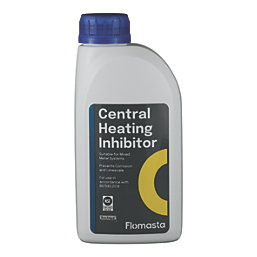
To protect your system from rust and scale, you can use a central heating treatment to boost effectiveness, prolonging its life and saving money in the long term. Another helpful tip is to install radiator foil behind your radiators. These panels reflect heat back into the room, rather than allowing it to escape through exterior walls. This simple addition can significantly improve the efficiency of your radiators and reduce heat loss.
If you notice any persistent issues with your radiators, such as uneven heating or leaks, it’s best to seek advice from a qualified heating engineer.
How often to bleed your radiators
Advice on how to bleed a radiator in the UK typically states that you should carry out the process annually before the heating season (usually around September or October). It’s also important to do this whenever you notice cold patches or unusual noises coming from your radiators.
How to bleed a radiator - key takeaways
Keeping your heating system in top condition is simple once you know how to bleed a radiator properly. Regular bleeding removes trapped air, restores full heat output and cuts down on energy waste. Coupled with a few easy maintenance steps, you’ll enjoy a warmer home and lower bills all year round.
-
Bleed radiators annually (and whenever you hear gurgles or spot cold patches) to ensure even hot‑water flow and prevent noisy pipes.
-
Balance your radiators after bleeding by adjusting the lockshield valves so that every room heats up at the same rate, avoiding hot‑spots and cold corners.
-
Check your boiler pressure once bleeding is complete. Low pressure can negate your efforts, so top up via the filling loop as the manufacturer recommends.
-
Install radiator foil behind panels to bounce lost heat back into the room, and consider using a central heating treatment to keep your system in optimal condition.
For replacement radiators or upgrades, Screwfix offers a wide selection.