
What Does a Stopcock Look Like?
What Does a Stopcock Look Like?

A stopcock is a plumbing valve used to shut off the water supply to a building.
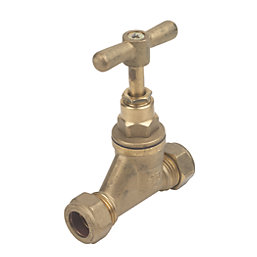
They closely resemble taps but have no spouts and are usually made of brass or metal with a T-style or lever handle that makes them easy to identify. Water stopcocks are typically installed in-line, connecting two sections of copper or plastic piping.
They are essential pieces of equipment that can be used to limit damage and risk in the event of a burst pipe or emergency.
Shop Stopcock Related Categories
Key Takeaways
Stopcocks are extremely important pieces of equipment in every home and can severely limit danger and damage in emergency situations. As a result, it is important to know the following:
-
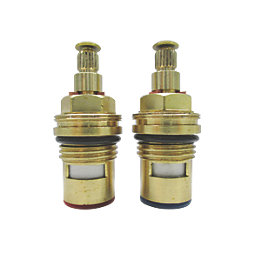
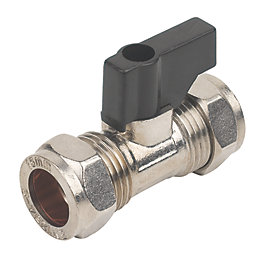
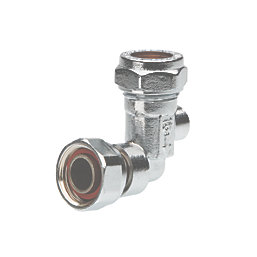
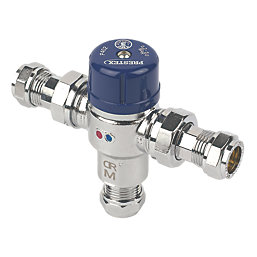
What Does a Stopcock Look Like? – They are small, brass or metal pieces of equipment connected between two pipes that resemble a tap, minus the spout. Handles may appear round, T-shaped, or like levers.
-
Where‘s Mine? – They are primarily located below kitchen sinks where the water enters your home but may also be found in utility rooms, garages, or downstairs bathrooms.
-
How to Test – Turn the valve handle clockwise until it is secure, then run the cold water tap. If no water comes out, your stopcock works.
-
When to Replace – If your stopcock is corroded or stiff and difficult to turn, it needs replacing by a plumber.
How To Identify A Stopcock Quickly
Your water stopcocks or stop tap, will most commonly be found under the sink. If it isn’t there, check utility rooms, downstairs toilets, garages, under the stairs, or near the front door.
But what does a stopcock look like? Water stopcocks are small brass or metal valves, resembling the top of a tap, particularly an outdoor tap. It may have a T-shaped handle, but there is no spout, and it will be connected to a pipe fitting. Alternatively, it may have a lever or round handle, which is often clear due to its red, blue, or yellow colouration.
Locating yours puts you one step ahead in the event of an emergency.
What Does A Water Stopcock Look Like In The UK?

There is little difference between what stopcocks look like in the UK and elsewhere. In the UK, water stop taps also resemble taps with a T-shaped or lever-style handle.
They are also most often made of brass, though there is a difference between internal and external stop taps.
Internal stopcocks are those that have been described, and external stopcocks are often housed in a plastic or metal box in the ground at the front of the property. These may look like a lever- or screw-operated valve and are often connected to the water meter.
Why Knowing What A Stopcock Looks Like Is Important
Understanding what a stopcock looks like is important because it allows you to act quickly in the event of a plumbing emergency.
Being able to identify and locate yours quickly in the event of a burst pipe or leak could prevent serious water damage and costly repairs.
Common types of stopcocks
There are a few different types of stopcock, each varying slightly in appearance and function:
-
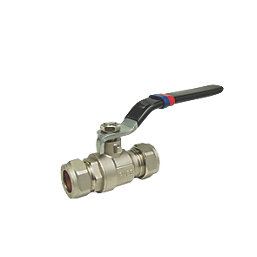
Ball Valve Stopcock – These are reliable quarter-turn valves with a perforated ball inside that rotates in order to shut off water flow. They typically have a lever-style handle that is either blue or red.
-
Tapered Plug Stopcock – Appears with a T-shaped handle, like a spoutless tap. It works by turning a tapered plug, aligning the hole in it with the pipe inlets and outlets to allow water flow, and misaligning it to block water flow.
-
Gate Valve – This appears with a circular valve handle that must be twisted multiple times to lower a ‘gate’ inside.
-
Smart Shut-Off Valve – This is a more modern, automated stopcock that lets you remotely control it through your phone. It will also work if it detects a leak through in-built sensors. These appear as motorised boxes that sit on the pipe fitting.
-
Stop-and-Waste Valve – These allow you to not only stop the water supply but also drain the water that remains in the downstream piping. They appear primarily as T-shaped brass stopcocks, similar to other kinds.
Though each of these has different purposes, many of them look similar in terms of brass material and handle type, but there are differences that allow you to tell them apart.

Where to find your water stop tap or stopcock
Most homeowners will be able to locate their stopcock under their sink, though it is not in the same place in every home.
If you cannot see yours underneath your sink, it’s worth checking other ground-level areas like garages, downstairs bathrooms, utility rooms, and areas near the front door.
Stop taps are located where the water pipe first enters the house. If you’re not sure where this is, try listening out for where the water enters, or ask a neighbour if their house is similar to yours. You could also look for pipes entering your home from the ground and follow along them.
What To Do Once You’ve Found Your Stopcock
To keep your plumbing in top shape, test your stopcock 2-3 times a year. Regular checks prevent the valve from seizing and ensure it’s ready when you need it most. To do this, simply turn the valve’s handle clockwise, or to the right, until secure.
After doing this, run a cold tap. If the tap does not release any water, your stopcock works. Turn it back anticlockwise to turn it off.
Make sure to only turn it with your hand pressure, to avoid damaging it.
Top Tip: If you need a reminder to check your stopcock, try doing it every time the clocks change.
How To Tell If Your Stopcock Is Working Properly
Testing your stop tap is important, but there are also other factors you should look for to ensure it is working as it should.
-
Stiffness – When checking if your stopcock works, if it is extremely difficult to turn, gets stuck, or makes a grinding noise, it may require some WD-40.
-
Leaks – If the valve is turned off but water continues to flow through the taps, that means the internal washer has failed. If water is dripping from underneath the valve’s handle, it could be that the packing gland, part of the valve, is worn.
-
Corrosion – Pinhole leaks can be caused by corrosion, so check for any green, white, or brown crust building up on the valve.
If your stopcock looks like it is heavily corroded, it may need to be replaced by a plumber. They are important plumbing tools and must be kept in functioning condition.
When To Replace Or Upgrade Your Stopcock

Occasionally stopcocks will need replacing, and it’s important to understand when to ensure yours is in working order should it ever be needed.
If you notice any of the following signs, it may be that your stopcock needs replacing:
-
Wear – Heavy corrosion is a sign that your stopcock needs replacing to ensure pinhole leaks don’t form.
-
Outdated Materials – Older stopcocks, namely brass ones and those attached to lead piping, can seize, corrode, and fail overtime. Replacing these with more modern lever-style units may be necessary to stay safe in the event of an emergency.
-
Difficulty Turning – Stopcocks can seize over time, and the resulting stiffness can be dangerous if they won’t turn when you need them to. Turning too hard on a stiff stop tap can result in it breaking, only making it more inoperable.
If your stopcock needs replacing, call in a professional plumber and allow them to do it.