
What Is the Best Loft Insulation?
What Is the Best Loft Insulation?

An uninsulated home loses around 25% of its heat through the roof, making loft insulation one of the fastest, most cost-effective ways to cut energy bills.
For standard DIY jobs laid over joists, mineral wool rolls are the top choice. Budget-friendly, fire-rated, and straightforward to roll out in crisscross layers to hit the target 270mm depth. For a non-itchy install or older, moisture-sensitive properties, sheep's wool rolls offer excellent breathability and damp control.
Planning a loft conversion or insulating between rafters? Rigid PIR boards deliver maximum thermal efficiency per millimetre, keeping roof insulation slim without sacrificing headroom. Precise cutting and tight fitting required. Pair with proper loft ventilation to prevent condensation.
Shop Loft Insulation Related Categories



Key takeaways
-
An uninsulated home loses around 25% of its heat through the roof — loft insulation is one of the fastest, most cost-effective ways to cut energy bills.
-
Rigid PIR foam boards (Kingspan, Celotex) – are the correct specification for room-in-roof conversions, sloped rafters, or anywhere headroom is limited – maximum thermal performance in the slimmest possible profile.
-
Going beyond 270 mm delivers diminishing returns — topping up to 300 mm costs little extra and eliminates remaining thermal bridging, but there is no meaningful performance gain beyond that depth.
-
Spray foam is a serious mortgage risk — many UK lenders and surveyors reject properties with spray foam installed, and professional removal costs £3,000–£8,000+.
-
Resolve damp, mould, blocked soffit vents, and active roof leaks before installing any insulation — laying over existing moisture problems traps water in the timbers and ruins the material.
-
Loft insulation works best as part of a wider fabric-first approach — combine it with cavity wall insulation and draught-proofing for maximum reduction in heat loss across the whole building envelope.
Warm vs. cold loft insulation
A cold loft keeps insulation at floor level, between and over the ceiling joists. Warmth stays in the living space below; the void above is left unheated. It's the most common, cheapest, and easiest approach, the default choice for basic storage or an empty loft.
A warm loft fits insulation between and over the roof rafters, bringing the entire attic into the heated envelope of the house. Only necessary if you're converting the space into a habitable room or need to protect pipework and equipment from freezing temperatures.
Other things to consider
Run through this checklist before you start. This helps you to catch issues early, preventing ruined materials and costly rework.
-
Check your loft type — standard floor void or sloped room-in-roof setup. This determines whether you need joist rolls or rigid rafter boards.
-
Measure existing insulation depth — anything under 270 mm needs topping up. Below that, and you're losing heat and money.
-
Keep the eaves clear — don't pack insulation tight into the eaves or block soffit vents. Restricted airflow causes condensation and rots roof timbers.
-
Fix damp, mould, and pest issues first — laying insulation over active problems traps moisture and ruins the material. Sort the roof before you start.
-
Avoid spray foam—mortgage lenders and surveyors regularly reject homes with spray foam insulation due to hidden rot risks. Don't use it on roof timbers.
If you're dealing with existing moisture problems before you insulate, read our guides on how to stop condensation in your home and how to get rid of mould before you start your project.
Types of loft insulation
The right insulation depends on your roof space and how you use it.
Basic cold lofts, storage lofts, and full room conversions all need different materials. Mineral wool rolls from Knauf or Rockwool suit the majority of UK homes — roll out between joists and you're done. Tight rafter spaces or room-in-roof conversions need rigid PIR boards instead.
The four main types of loft insulation are:
-
Mineral wool — budget-friendly, DIY-friendly rolls with high fire and sound resistance. Needs 270mm depth to hit spec, which reduces usable floor space.
-
Rigid PIR foam boards — high-performance foil-faced panels for conversions and tight rafter spaces. More expensive and requires precise cutting and foil-taping.
-
Loose-fill — blown or poured fibres that fill irregular joist spacing and hard-to-reach eaves. Can shift in draughty lofts and requires periodic topping up.
-
Spray foam — a risky option. Traps moisture, risks rotting roof timbers, and makes homes ineligible for many UK mortgages.
Mineral Wool
Mineral wool is the UK's default loft insulation. It’s affordable, easy to install, and effective for standard cold loft setups.
Lay it flat across ceiling joists to a total depth of 270mm for full thermal performance. Two brands dominate:
-
Knauf Earthwool — lighter, softer, and easier to handle. The straightforward choice for most DIYers.
-
Rockwool — denser stone wool, heavier to work with, but delivers superior acoustic insulation and fire protection. Better suited to properties near busy roads or fire-prone areas.
Fit it in two layers to eliminate thermal bridging.
Lay a 100mm base layer between the joists first. Then roll a second 170mm layer perpendicularly across the joists to hit the 270mm target depth. Crossing the layers covers the exposed timber joists, stopping heat escaping through the wood rather than the insulation.
Rigid Foam Boards
Rigid PIR boards (Kingspan, Celotex) deliver maximum thermal performance in the thinnest possible profile: the go-to for loft conversions, sloped ceilings, and warm-roof setups where headroom is critical.
Foil faces reflect radiant heat, and low thermal conductivity means you hit building regs without sacrificing floor area. More expensive per m² than mineral wool, but the performance-to-thickness ratio justifies the cost in tight spaces.
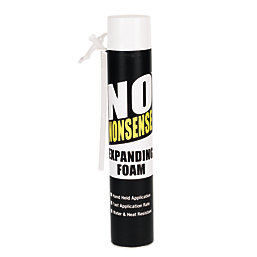
Installation requires precise cutting to friction-fit boards tightly between rafters or joists. Seal any remaining gaps with expanding foam and foil tape.
Important to remember: when fitting boards directly beneath the roof deck, maintain a continuous 50mm ventilation gap between the top of the insulation and the roof felt. Block that gap and you trap moisture against structural timbers. Condensation, timber rot, and eventual roof failure follow, so getting this gap right is one of the most effective ways of how to stop condensation in your home.
For the full picture on where PIR boards fit alongside other materials, see our guide to home insulation.
Loose-Fill Insulation
Loose-fill insulation is the best option for hard-to-reach lofts, irregular joist spacing, and attics with pipework or cabling that make laying rolls impractical.
Recycled cellulose fibres, blown mineral wool flakes, or expanded perlite are poured or blown directly into the ceiling void, filling every gap and obstruction without measuring or cutting.
There are three trade-offs to factor in before choosing it:
-
Fibres settle and compact over time, reducing depth and thermal efficiency. Periodic top-ups are required to maintain performance.
-
It can't be walked on or boarded over without crushing the material and destroying its insulating air pockets.
-
It shifts easily in draughty roof spaces, which means it’s not suitable for lofts with poor air sealing.
Spray Foam Insulation
Expanding foam bonds directly to roof timbers, preventing surveyors from inspecting them for structural defects. Closed-cell foam traps moisture against the wood without ventilation, creating hidden conditions for wet rot, dry rot, and timber decay.
The financial consequences are serious. Professional removal costs between £3,000 and £8,000+, rising significantly if the roof membrane or timbers need replacing on top. Many UK mortgage lenders and surveyors will reject properties with spray foam installed outright.
Unless a structural engineer has assessed your roof and confirmed a breathable spray foam application is suitable for your specific building, avoid it entirely.
Which Type of Loft Insulation Is Right for You?
For a standard accessible loft insulation job, mineral wool rolls laid to 270 mm are the default choice.
They are cost-effective, fire-rated, and straightforward to install. They also meet building regulations without stretching your budget and help with keeping your home cool in summer as well as reducing winter heat loss.
Two situations change that: converting the attic, insulating between rafters, or being tight on headroom. Choose rigid PIR foam boards for maximum thermal efficiency in a slimmer profile.
Active leaks, mould, or blocked soffit vents: fix those first. Laying insulation over structural or airflow problems traps moisture in the roof timbers and ruins the material.
Measure joist centres and total square metres before you order. Get the roll counts, board quantities, and PPE right first time.
If your walls are losing as much heat as your loft, cavity wall insulation is worth checking alongside this job, it tackles a different part of the building envelope but delivers a similar payback.