
How to Keep Your House Cool in Summer
How to Keep Your House Cool in Summer

As the summer months draw closer, it’s important to understand how to keep your house cool, using simple and effective strategies, both for the benefit of your health and your comfort.
From opening windows at night in order to create cross-ventilation to equipping your home with heat-reducing tools, there are many methods you can use this summer. Some may be as simple as blocking out sunlight or ensuring your home boasts proper ventilation, whilst others require specific tools purpose-built to combat heat.
If you combine these methods, you can prevent your rooms from becoming excessively warm.
Shop Ventilation Related Categories


Key takeaways
The best way to keep your house cool in summer is to combine multiple, simple strategies:
-
Blocking sunlight: Close your curtains or blinds to reduce the amount of heat trapped in your home.
-
Use fans and air conditioning: Ensure cool air is circulated throughout your home.
-
Improving ventilation: Open windows throughout the house at nighttime to promote cross-ventilation.
-
Reducing appliance heat: Make sure to turn off any devices and lights that are not in use.
Why does my house get so hot?
During the warmer months, it is common for homes to absorb and trap heat, which can make it uncomfortable for you and your guests. This happens for multiple reasons – be it sunlight entering through the windows, poor insulation failing to keep the heat outside, limited airflow within the home, or appliances generating heat.
Whatever the reason, it is important to understand where in your home the heat builds up most frequently or most intensely in order to control it and keep your home cool in summer. Improving the airflow within the building, especially in these areas, will aid significantly in reducing the build-up of heat.
Fans and cooling solutions for your home
Though keeping your house cool in extreme heat is primarily down to changes in behaviour, such as turning off appliances when you’re not using them or ensuring windows are open to increase ventilation, there are many tools that can help you cool down your home, including:
-
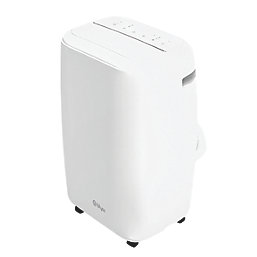
Air conditioning units: These remove heat from the air indoors and release it outside.
-
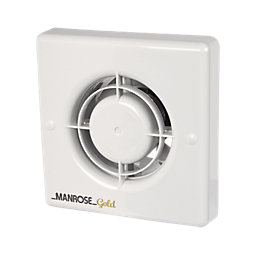
Bathroom extractor fans: Like air conditioning units, these fans remove the hot, humid air from your bathroom and vent it outside.
-
Inline extractor fans: These work in a similar fashion to bathroom extractor fans but are instead used as a ventilation system for the entire house.
-
Extractor fans: These act as a kind of exhaust system, forcing hot air out and drawing in cool air from outdoors in a ‘reverse-ventilation’ process.
-
Fans: These can be great for cooling yourself and your guests, as the air will help pull heat from the body by evaporating sweat. When placed by an open window, they will also push warm air out and pull cold air in.
Simple ways to keep your house cool
Making your home cooler doesn’t have to be complicated, and, in many cases, can be done by making small changes to ventilation, shading, and airflow.
In fact, there are many techniques that are extremely simple yet highly practical for keeping your home cooler during the summer.
Block direct sunlight
One of the biggest ways heat can enter the home is via sunlight entering through the windows, so one of the easiest ways to stop this is to block the light out.
Closing your blinds, curtains, or shutters when the sun is shining will limit the amount of heat entering your home, and blocking sunlight earlier in the day, before the sun peaks, can help to maintain a cooler temperature indoors.
Try to focus on blocking light out of the south-facing windows, as this is where sunlight exposure will be the strongest.
Reduce heat from appliances
One of the simpler ways to reduce heat indoors is to simply avoid using heat-generating appliances or to turn off any electrical appliances when you’re not using them.
This is one of the easiest steps you can take to reduce heat within your home.
Use fans to circulate air
Electric and cooling fans are great for cooling both you and your guests, as the cool blowing air will reduce the temperature of your skin, lowering body temperature.
If placed well, beside an open window, the fan can push out warm air, pulling in colder air to replace it.
Improve ventilation to remove hot air
Improving ventilation can be a case of opening opposing windows at nighttime, allowing for cross-ventilation throughout the room or building.
It can also mean installing adequate tools, such as extractor fans for rooms that get particularly damp or hot – namely, bathrooms and kitchens. There are many kinds of extractor fans, so it’s important to check which one you need for each room.
Air conditioning units
Installing air conditioning units can be a surefire way of reducing heat in your home, as the units remove heat from indoors and release it outside the home, thus lowering the overall temperature.
Common mistakes that make your home hotter
As important as it is to utilise the tried and true methods of reducing heat in your home, it is also worth considering any common habits you may have that can increase the temperature of your home.
While opening windows is a great way to allow air to circulate, it is important not to do it during the hottest hours of the day (usually 12pm–3pm), as that may actually let more heat in. Instead, open the windows at night or in the early hours of the morning.
Keeping internal doors shut can also block airflow and trap heat in certain areas of your home.
Using appliances that generate heat, like ovens, or not switching off appliances that you’re not using, can cause added unnecessary heat.
In order to keep your home cool, bathrooms and kitchens should be adequately ventilated – this is where having an extractor fan may be useful.
Avoiding all of these habits is just as important as putting effective strategies in place.