
How to Remove Rust from Stainless Steel
How to Remove Rust from Stainless Steel

Stainless steel is sometimes referred to as rust-proof, but this is not always the case. Stainless steel is actually not immune to rust, but it is corrosion resistant. Under prolonged moisture, surface damage, harsh chemicals or salt exposure, stainless steel can corrode and develop rust stains.
Stainless steel is corrosion resistant due to its chemical make up. Stainless steel contains chromium, which reacts with oxygen to form a thin, invisible passive oxide layer on the surface, which protects it from moisture and oxygen from reaching the iron beneath. However, if the layer is scratched or contaminated, corrosion can occur.
Material grade matters when choosing stainless steel, as not all stainless steels offer the same level of corrosion resistance. Higher-grade stainless steels like 316 contain elements that improve corrosion resistance, making them less likely to rust, and if they do, it’s easier to clean. Lower grades, such as 430 or 410, will rust more easily and may require a more intensive treatment.
Shop Rust Removal Related Categories



What Causes Rust on Stainless Steel
Stainless steel has a very thin, invisible layer called the chromium oxide layer, which protects the iron beneath. This protective layer forms naturally when chromium in the steel reacts with oxygen in the air. It acts as a barrier, stopping water and oxygen from reaching the iron in the metal underneath, so as long as this protective layer remains undamaged, the stainless steel will be resistant to rust. Deep scratches will prevent the layer from protecting the metal, but slight surface scratches can usually repair themselves when exposed to oxygen.
Certain conditions can also damage or weaken the protective layer. Moisture, especially when combined with salt from seawater, such as coastal air or road de-icing salts, can break down the barrier and cause corrosion. It is also important to avoid harsh chemicals, such as chlorine-based cleaners or strong acids, as these can also damage the surface.
Tools & Products You’ll Need
Here’s a simple bullet list of products you can use to clean rust from stainless steel:
-
Baking soda (mixed with water to form a paste)
-
White vinegar
-
Lemon juice (often combined with baking soda)
-
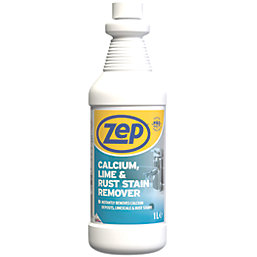
Phosphoric acid-based rust removers (for tougher rust)
Avoid using regular steel wool, wire brushes, or chlorine-based cleaners, as they can damage the surface and cause further rusting.
Methods to Remove Rust: Light vs Stubborn Rust
Rust should be assessed for severity before a method is chosen, and removal is attempted. Light rusting can usually be treated with gentle methods such as vinegar or baking soda paste application, or even a non abrasive stainless steel cleaner. These methods often work well for minor spots and are safer.
Deep, stubborn or ingrained rust may require stronger commercial rust removers that are designed specifically for stainless steel.
Avoid using a method that is too harsh, as it can damage the surface, something too mild may not be effective, so start gently and work your way up to stronger solutions if necessary.
Removing Light Rust with DIY Methods
Here is a simple 3–4 step process for treating light rust on stainless steel with household or low-impact methods:
-
Clean the surface first – Wipe away dirt, grease, or loose rust with a mild cleaning solution or plain soap and water. Dry completely.
-
Test on a small area – Apply your chosen mild solution (baking soda paste, vinegar, or lemon juice) on a hidden spot to ensure it won’t damage the finish.
-
Apply gently – Rub the solution on the rust using a soft cloth or non-abrasive pad, following the grain of the steel.
-
Rinse and dry – Wash off any residue and dry thoroughly to prevent new rust.
Always prioritise safety, surface protection, and gentle handling for the best results.
Removing Stubborn Rust with Commercial Products
When rust is deep and ingrained, household or mild treatments will probably not be enough, and stronger commercial rust removers may be required. These products often contain oxalic acid or other specialist formulations designed to dissolve stubborn oxidation without damaging stainless steel.
Because these rust removers are more potent, it’s very important to follow safety precautions carefully, such as wearing gloves and eye protection, and ensuring you are working in a well-ventilated area. Always read and follow the manufacturer’s instructions too, including application time, rinsing procedures, and disposal. This will ensure the product is effective, while protecting both the stainless-steel surface and your health.
Prevention Tips to Stop Rust Returning
Now we know that stainless steel can rust, here are some tips on how to stop rust from returning.
After cleaning or exposure to water, always wipe the surface dry with a soft cloth to remove moisture. Regular drying and cleanliness are crucial, as moisture can break down the protective chromium oxide layer. Frequent cleaning with a mild, pH‑neutral detergent or purpose‑made stainless steel cleaner helps remove salt, dirt, and contaminants that accelerate corrosion. Always rinse thoroughly and dry immediately. This is better than letting water air‑dry on the metal.
To help maintain the protective layer, routine maintenance is key. Using a stainless steel polish or applying a gentle protective coating can create a barrier against moisture, which makes the stainless steel surface much less prone to staining and rusting, and easier to clean.
Also, avoiding cleaners with chlorides or harsh chemicals like bleach will keep your stainless steel looking tarnish-free. These can attack the layer, causing pitting corrosion. In areas near the sea or with frequent use of road salt, stainless steel should be cleaned more frequently.
Finally, regular inspection of stainless steel and addressing problem areas early can help small problems from becoming larger.
Key Considerations When Removing Rust from Stainless Steel
Prioritise safety – Stronger commercial products may contain acids that require the use of protective gloves, eye protection, and good ventilation. Even mild rust removers can irritate skin and eyes. Never mix cleaning chemicals, and always read the manufacturer’s instructions carefully before using them.
Avoid damage - Start with a mild cleaner and work up to a stronger one if necessary. Do not use bleach, chloride-based cleaners or acids. These break down the protective oxide layer which can make corrosion worse. When using materials to clean stainless steel, go for non-abrasive pads or microfiber cloths and apply the solution in the direction of the grain.
Balance cost, time and effectiveness - DIY remedies are affordable and suitable for light rust, but may require more effort. Commercial rust removers work quickly on corrosion but are usually more expensive. Choosing the correct method depends on the severity of the rust, the value of the item you are treating, and how quickly you need results.