
Does Stainless Steel Rust?
Does Stainless Steel Rust?

Stainless steel does rust under certain conditions, however, it is much more resistant to rusting in comparison to regular steel. This is because stainless steel is made of at least 10.5% chromium, which provides it with a protective shield against chemicals that cause it to rust. This is also where it gets its name from, it is a type of steel that stains less than regular steel. This is an in–depth practical guide which will help both trade professionals and DIY enthusiasts on-site to prevent, minimise and remove rust from stainless steel.
Shop Stainless Steel Related Categories
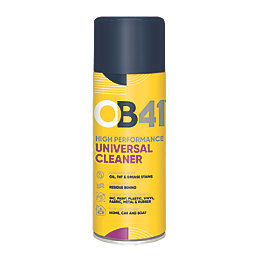

Can stainless steel rust?
Stainless steel is coated in at least 10.5% chromium. When chromium comes into contact with oxygen, it creates a protective shield around the metal. This shield stops the iron underneath from coming into contact with moisture and oxygen, which is what causes stainless steel to rust. If this shield is scratched, it can repair itself. The shield can be broken beyond repair if the following happens:
-
Contact with salt: Salty water has chloride ions, which act as chemical hammers, damaging steel.
-
Crevice Corrosion: If steel has a tiny gap, such as a washer or tight bolt, the shield won't be able to breathe. It needs oxygen to heal itself.
-
Contamination: Using a regular steel wire brush on stainless steel can lead to tiny bits of ordinary iron getting stuck on the surface.
It’s important to note that visible rust doesn’t always mean deep corrosion. Oftentimes, it’s simply a case of surface staining.
What causes stainless steel to rust?
Stainless steel does rust when the protective chromium barrier has been damaged by environmental factors. The barrier is what allows it to be rust-resistant, and when it can’t repair itself using oxygen, the surface underneath this barrier can begin to
corrode. Certain environments, most notably coastal or humid environments, can significantly accelerate corrosion.
Contamination from carbon steel or iron
Stainless steel rust can be caused by coming in contact with other types of metal that are less resistant to rusting. For example, using tools that are made from carbon steel or iron on anything that is stainless steel will damage it. The contamination can cause a form of mild rust called ‘tea staining’, which we will explain in more detail later in the article.
Environmental conditions
Environments that have, or that are in proximity to, salty water are at higher risk of causing stainless steel rust. This includes:
-
Marine and coastal environments: Seawater contains sodium chloride, which is highly corrosive to steel.
-
Swimming pools: The water in swimming pools contains chlorine. Combined with high temperatures, it can lead to accelerated corrosion.
-
Food processing plants: These environments often use chloride-based chemicals to clean machines, which can damage stainless steel.
Poor maintenance or cleaning
Because stainless steel is made of 10.5% chromium, which makes up its protective barrier, not cleaning it exposes it to a high risk of rust. It needs to be clean in order for the player to repair itself to continue protecting the vulnerable layer underneath.
Failure to remove rust from stainless steel properly enables dirt, dust and other residues to remain on the surface. All of which contain chlorides that will trigger stainless steel rust. These deposits can also block the flow of oxygen, which is key for the chromium protective layer to be able to repair itself. With the protective layer compromised, the rate of corrosion can increase significantly.
Low chromium content or wrong grade selection
If a piece of stainless steel has a lower than 10.5% chromium content, it means it is more vulnerable to rust than stainless steel with a 10.5% or higher chromium content. Therefore, choosing the wrong grade of steel can lead to more issues with rust in the long term. Rusting on a construction site can lead to project delays and increased costs.
Common types of stainless steel corrosion
This section will explain the different types of stainless steel rust. It’s important to remember that not all stainless steel rust looks the same, corrosion comes in multiple forms. This section will educate you on what to look out for so you can recognise the different types of rust. Also, depending on the environment, tools used and level of maintenance, the rate at which stainless steel can rust can vary significantly.
Pitting corrosion
Pitting corrosion is a small, spot-shaped, localised type of rust on stainless steel. It is caused by chlorides attacking the metal at a weak point. The localised corrosion accelerates rust as it prevents the chromium barrier from reforming. Pitting corrosion is common among stainless steel structures located near coastlines, due to the high salt content of seawater.
Crevice corrosion
Crevice corrosion occurs in tight gaps where moisture and salts become trapped. For example, between nuts and bolts or under gaskets and seals. The narrow opening prevents fresh oxygen from flowing to the chromium barrier, which prevents it from reforming. This leaves the steel more vulnerable to rusting.
Galvanic corrosion
Galvanic corrosion is when stainless steel makes direct contact with dissimilar metals (that are less resistant to rust) via a type of moisture e.g. water, salt, spray, or soil. Examples of these types of metals include:
-
Galvanised steel
-
Aluminium
-
Carbon steel
In this case, the aforementioned metals will ‘sacrifice’ themselves to save the stainless steel from rusting, by corroding at an accelerated rate. This reduces the rate of corrosion for the stainless steel. However, it can be
Tea staining
Tea staining is a form of cosmetic surface rust that is often caused by a buildup of salt. It’s commonly found on surfaces that have a lot of direct contact with weather and/or people. Examples include handrails, doorknobs, outdoor fixtures and cladding. The salt build up, traps moisture and leaves behind a light brown ‘tea stain’ coloured marking. Due to the more cosmetic nature of tea staining, it is usually significantly easier to remove the rust from the affected areas.
How to prevent stainless steel from rusting
Below are actionable steps you can take to help prevent stainless steel from rusting:
-
Regular washing, rinsing and drying: Use fresh water and a mild washing-up liquid to clean stainless steel. This will remove salt deposits and dirt from the metal. After washing, ensure that you rinse and dry the metal thoroughly to prevent corrosion via evaporation. In corrosive and coastal environments, this should be carried out more frequently.
-
Avoid corrosive cleaners: Do not attempt to use any common household products that contain bleach. This is because they will contain chlorides, which will cause the metal to rust.
-
Use suitable tools: Do not attempt to use tools such as carbon steel wool, wire brushes or scraping tools on stainless steel. This will contaminate it with iron particles, which damage the protective layer and cause it to rust.
-
Choose the right grade of steel: Choosing Grade 316 stainless steel will help to prevent rusting. It has a higher resistance to rust than the Grade 304. For this reason, it’s commonly used in coastal areas and swimming pools.
Will stainless steel rust if I shower with it?
Yes, stainless steel does rust if you shower with it. The most common reasons for this are related to the water and the products you use to wash your skin. Quality stainless steel is very resistant to rust, even in the shower, but not completely immune. Lower-grade alloys or harsh conditions can cause rust spots over time. The most common reasons for rusting are related to the water and the products you use to wash.
Water from taps or pipes often contains chlorine to kill bacteria. Chlorine can damage the chromium protective layer on stainless steel, causing it to rust. Also, soap and shampoo products can contain salts and other chemicals that penetrate the surface of stainless steel, and can cause pitting corrosion due to their high concentration.
How to remove rust from stainless steel
The process of removing rust from stainless steel depends on the degree of rust that occurs.
Removing Light Rust
-
Wash the area with mild soap and water, and use a soft cloth or sponge to remove loose deposits.
-
Apply a commercial stainless steel cleaner or polish designed for rust removal, following the manufacturer's instructions. These products are formulated to chemically remove the rust without damaging the passive film.
-
For light spots, you can use a paste made from baking soda and water, or a specialised metal polish. Rub gently in the direction of the polish lines.
-
Rinse the area thoroughly with clean, fresh water and dry it completely with a soft, clean cloth. This removes corrosive chemical residue and prevents new water spots from forming.
It’s important to remember to use the appropriate tools. If you need to scrub, use a non-metallic abrasive pad. Never use carbon steel wool or brushes, as this embeds iron particles into the stainless steel surface and causes more rusting.
Removing Heavy Rust
Removing heavy rust can be dangerous if you don’t have specialist skills in handling hazardous chemicals such as nitric and hydrofluoric acid. A much safer option is electrochemical cleaning, or ECC. It involves using chemicals that are far less hazardous, combined with a small electric current.
-
Put on safety glasses and chemical-resistant gloves.
-
Clamp the machine's ground cable firmly onto the stainless steel item.
-
Soak the cleaning brush in the mild electrolyte fluid.
-
Switch the ECC machine on to the recommended setting.
-
Gently wipe the saturated brush across the rusted area, the rust should start to disappear soon after.
-
Immediately spray the area with the neutralising solution, then rinse thoroughly with clean water, and wipe dry instantly.
Key things to consider with stainless steel rusting
The following elements are the key things to consider when thinking about stainless steel rusting:
Stainless steel grade:
A 316 grade of stainless steel has more rust protection than a 304 grade. However, it is likely to be more expensive.
Environment:
If you’re working with stainless steel in a warm or humid environment, it is more likely to corrode faster due to the increased moisture in the air.
Design:
If the stainless steel you’re working with has crevices, it is more likely to rust. This is because it will restrict the vital oxygen access required for the protective layer to repair itself.