
Making Mortar
Making Mortar

Mortar secures building blocks together. It does this by acting as a structural ‘glue’ that is a highly durable and weather-resistant seal for brickwork, blockwork and paving. Mortar is formulated to be flexible and to enable bricks, blocks and pavements to stick together. By filling the gaps between masonry units, it ensures even weight distribution and prevents moisture from compromising the integrity of your walls or patios.
This enables it to accommodate the natural movements of a structure without cracking.
In this comprehensive guide, you will learn how to make the right mortar mix ratios for your project.
You will also learn the step-by-step process of how to mix mortar to the perfect consistency, ensuring long-lasting results for both professional trade projects and home DIY tasks.
Shop Mortar Related Categories




Key Takeaways
-
The "Golden Ratio": A 4:1 sand-to-cement mix is the industry standard for general brickwork and paving due to its balance of strength and workability, while a 5:1 or 6:1 mix is better for softer bricks or internal walls requiring more flexibility.
-
Material Compatibility: For heritage properties (pre-1945), use a 1:3 lime-to-sand ratio to ensure breathability and prevent damp; modern cement is often too brittle for older, porous masonry and can cause bricks to snap.
-
Precision in Mixing: Always measure components by volume using a bucket rather than a shovel to ensure a consistent colour and strength; aim for a "buttery" consistency that clings to an upturned trowel without being too "soupy".
-
Critical Limitations: Never add excess water (which causes shrinking and cracking), avoid mixing in temperatures below 5°C to prevent frost damage, and only prepare what you can use within 30–60 minutes to maintain bond strength.
What Is Mortar And Why Does The Ratio Matter?
Mortar mix of sand, cement and water.
Along with these elements, it is often mixed with lime to further improve its flexibility.
While it looks similar to concrete, the two serve very different purposes. Concrete is designed for sheer strength, which enables it to support heavy structures.
Mortar is specifically engineered to act as the cushion and sealant for brickwork and masonry.
It’s crucial that you get the correct mortar mix ratio for the following reasons:
-
If a mix has too much cement, it becomes brittle and can cause the masonry to crack during thermal expansion.
-
A mix that has too little cement will erode over time.
Sand and cement mix
A sand and cement mix is the main adhesive for many masonry projects. By combining cement with sand and water, you create a versatile paste that hardens into a dense, stone-like material. In DIY and trade applications, this mix is the standard for laying bricks, securing concrete blocks, and bedding paving slabs, providing the essential compressive strength needed to support the weight of a structure.
The performance of the mortar is dictated entirely by the mix ratio, typically measured by volume.
A "strong" mix (such as a 1:3 ratio) contains more cement and offers higher resistance to water and heavy loads, making it ideal for underground footings or high-exposure areas.
In contrast, a "general-purpose" mix (often 1:4 or 1:5) provides better flexibility and workability for standard walls.
Using the wrong ratio can cause:
-
Bricks to snap, if the mix ratio is too strong
-
One that is too weak will eventually erode
Mortar mix ingredients
To achieve a reliable adhesion with a standard sand and cement mix, you need to precisely balance four primary components.
-
Cement – It hardens, providing the structural strength.
-
Sand – Using sand prevents shrinkage and ensures the mortar doesn't crack as it cures.
-
Water - It initiates the hydration of the cement and determines the workability; too much weakens the mix, while too little prevents bonding.
-
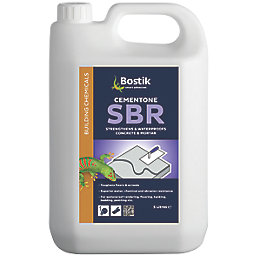
Additives (Plasticisers/Lime) – Optional extras that increase "fatness" and flexibility, making the mortar easier to spread and more resistant to freeze-thaw cycles.
Standard Mortar Mix Ratios & What They Mean
In UK construction, mortar is tailored to the specific masonry unit and environmental conditions. Standard mortar mix ratios are expressed as a part-to-part volume—for example, a 1:4 mix is one part cement to four parts sand.
Selecting the correct ratio is essential for ensuring structural compatibility: the mortar must be strong enough to support the load, yet flexible enough to allow for thermal expansion without cracking the bricks. A well-chosen ratio guarantees long-term durability and a professional, weather-tight finish.
4:1 general purpose mortar mix
The 4:1 sand-to-cement mix is considered to be the best all-round ratio. This is because it has a great balance between structural integrity and user-friendliness.
There is enough cement to ensure a high-strength, weather-resistant bond for standard brickwork and blockwork. It also remains "fat" enough to spread easily with a trowel. Its durability makes it ideal for external walls, providing a robust seal that can withstand the British climate. It also is flexible enough to prevent the mortar from becoming overly brittle and cracking under minor structural shifts.
3:1 high-strength mortar mix
A 3:1 high-strength mortar mix is best suited for environments that require the highest level of durability and water resistance. Think places that are subject to a high structural load, such as retaining walls and underground footings. The cement concentration creates a dense, impermeable bond, which is perfect for damp conditions.
Despite these benefits, you need to check your masonry before using this mix ratio. Older and/or softer bricks may end cracking as the building naturally expands and contracts.
5:1 or 6:1 lean mortar mix
A 5:1 or 6:1 lean mortar mix is the most common choice when flexibility and breathability are more important than structural strength.
These ratios are specifically designed for older masonry and softer, more porous bricks. In these scenarios, a high cement content can actually be detrimental; a more flexible 6:1 mix allows for subtle thermal movement and moisture evaporation without stressing the surrounding materials. By prioritising compatibility over rigidity, these mixes ensure that the mortar remains the "sacrificial" element, protecting the integrity of the bricks for decades.
Lime mortar mix ratios
Lime mortar mix ratios generally follow a 1:3 or 1:2.5 proportion of lime to sand, providing a mix that is much more supple than modern cement.
If you are working on a heritage restoration project or a pre-1945 property, lime mortar is the best choice. This is because of the high breathability and flexibility. It allows moisture to evaporate through the mortar joints rather than the masonry units themselves, preventing damp and surface crumbling. Because it is less brittle than cement, it can accommodate the significant natural movement found in older foundations without cracking.
Mixing Mortar For Different Jobs
Whether you are building upwards or laying a solid base, the "wetness" and strength of your mix must be tailored to the job at hand.
Brickwork and Blockwork
For standard walls, a 4:1 general-purpose mix is suitable. The consistency should be "buttery"—firm enough to hold the weight of the brick without collapsing yet wet enough to allow for easy adjustment. If the mortar is too dry, it won't bond; if it's too runny, it will squeeze out and stain the brick faces.
Paving and Bedding
When laying patio slabs or stone paths, a 4:1 or 5:1 mix is typically used for the bedding layer. This mix is usually prepared with a "semi-dry" consistency. It should be moist enough to clump together when squeezed in your hand, but not so wet that the heavy paving slabs sink into the mortar bed under their own weight.
Brickwork and blockwork
For standard brickwork and blockwork, a 4:1 or 5:1 sand-to-cement mix is the industry go-to.
A robust 4:1 ratio is best for external walls and areas with high weather exposure, providing superior durability against wind and rain.
For internal walls or when using softer, more porous bricks, a leaner 5:1 mix is often better due to enhanced flexibility. Always ensure the mortar is slightly "softer" than the masonry unit to prevent the bricks from cracking during natural building movement.
Paving and patios
If you’re working with internal walls or softer bricks, a 5:1 mix is generally the best option, as it allows for more flexibility.
For projects that require paving slabs and/or patios, a semi-dry 4:1 mortar mix is the industry standard for ensuring long-term stability.
This ratio provides the high compressive strength needed to support heavy foot traffic and prevents slabs from shifting over time. By using a semi-dry consistency—moist enough to bind but firm enough to hold its shape—you create a reliable, load-bearing "full bed" that allows for minor adjustments during laying while ensuring excellent moisture resistance and durability against the elements.
Pointing and repointing
Ensuring that the mix ratio is matched to the existing mortar is vital for structural compatibility. If you use a mix that is too hard, it can trap moisture, which can decay the surrounding bricks.
For projects involving modern homes, a 1:4 or 1:5 mix with a plasticiser often works best to ensure workability and a neat finish. For older properties, incorporating a 1:3 lime mortar mix ratio provides the necessary breathability and flexibility to prevent cracking as the building naturally settles.
How To Mix Mortar: Step-By-Step
Being able to successfully mix your mortar can ensure your project has a professional level finish. Whether you are mixing a small batch by hand in a bucket or wheelbarrow or using a mechanical cement mixer for larger walling projects, the goal is always the same: a consistent, "buttery" texture that clings to your trowel.
Tools and Materials
Preparation is just as important as the mixing itself. To ensure each batch of your mortar mix ratio is consistent, you should use a more precise ‘part measure’ with a bucket rather than a shovel, which is less precise.
The following are tools and materials you will need:
-
Fresh cement
-
Clean building sand (or sharp sand for paving)
-
Clean water
-
A shovel
-
A large mixing tub (or bucket) or wheelbarrow
-
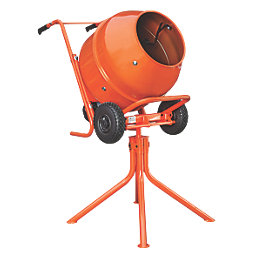
A mechanical drum mixer for larger volumes
-
Industrial waterproof gloves
The Mixing Process
Follow these steps to ensure your mix ratio is the correct one for your project:
-
Measure your sand and cement into a pile using your chosen ratio (e.g., 4:1). Turn the heap over with a shovel until the colour becomes consistent.
-
For hand mixing, create a deep hollow in the centre of your dry heap. Pour a small amount of water (and plasticiser, if using) into this "crater".
-
Use your shovel to push the inner walls of the now wet heap into the water. Gradually add more water, folding the mix until it reaches a "buttery" consistency that hangs off an upturned trowel.
-
If using a drum mixer, add half the water first, followed by half the sand, all the cement, and then the remaining sand. Add the final splashes of water slowly to avoid the mix becoming too ‘soupy’
Mortar Mixing Tips For Success & Common Mistakes
To ensure your mix is fit for purpose in the long term, follow these tips:
-
Don’t add too much water – This is a common mistake. It thins the cement paste, which causes it to shrink and crack, which significantly weakens the bond once cured.
-
Always measure accurately – Never measure with a shovel. Using a bucket ensures a consistent mortar mix ratio, meaning you will have consistent colours and no weak spots on the wall.
-
Only mix what you can use – Mortar begins to set within 30 to 60 minutes. Only mix what you can realistically use in that timeframe to avoid "re-tempering" (adding water to drying mortar), which reduces its strength.
-
Don’t mix in cold weather – Avoid mixing if temperatures are below 5°C. Frost can freeze the water in the mix before it hydrates the cement, causing the mortar to crumble.