
How To Clean Car Mats
How To Clean Car Mats

Car mats play a vital role in protecting your vehicle’s interior from everyday dirt and damage. From muddy boots and wet paws to spills, dropped food, grit, and rainwater brought in from outside, they act as a barrier between mess and your car floor. Despite how much wear they endure, many drivers aren’t sure how to clean car mats safely and effectively to keep their vehicle interior looking its best.
Car mats can be made from different materials, from rubber and all-weather mats to carpet and fabric, so it’s essential to know how to clean your car carpet to keep floors looking and smelling fresh. In this article, we’ll look at simple car carpet cleaning solutions, including the best floor mat cleaner method for your mat type, and consider whether you can put car mats in the washing machine.
Shop Car Related Categories


Why Keeping Car Mats Clean Matters
Having clean car mats isn’t just about the way they look. Regular car carpet cleaning preserves the performance of the mat, as well as protecting your interior by promoting good hygiene and preventing odours and excess moisture from building up in your vehicle.
Safety and Slip Prevention
By learning how to clean car carpet, you can keep your car floors from becoming overly worn and turning into a trip hazard. Grime can also build up on rubber mats, making them slippery, which can be dangerous when you’re driving, as your feet can slip off the pedals. Loose dirt, moisture and dust can also become airborne, which can affect vehicle users’ lung health and trigger potential allergies. TOP TIP: By using a proper floor mat cleaner, you can tackle ingrained dirt and greasy films which water alone cannot remove.
Reducing Odours and Wear
Car carpet cleaning helps keep your vehicle safe, clean and fresh. Any grit or sand which makes its way onto the mat can act like sandpaper, wearing down the carpet fibres with use. Rainwater and mud can also lead to excess moisture in the car, leading to mould and mildew developing. Aside from the health implications, this can mean problems de-misting your car, and the inside can start to smell. Read our simple guide on how to clean car carpet effectively to prevent dirt, sand and odours from soiling the floor underneath.
Step-by-Step: Cleaning Carpet Car Mats
Firstly, your cleaning method will depend on your car mat type. Fabric carpet mats are different from rubber, as they’ll need dry vacuuming and shampooing rather than hosing or pressure washing. Before you start, you might also want to stock up on car-safe cleaning products and car cleaning tools, which can be safely used on your mat type.
Step 1: Remove and Beat the Mats
Carefully take the fabric floor mats out of the vehicle, trying to avoid tipping dust onto the floor underneath. It’s best to beat them first against a smooth, hard surface, such as a garden wall, to dislodge loose debris.
Step 2: Vacuum the Fabric
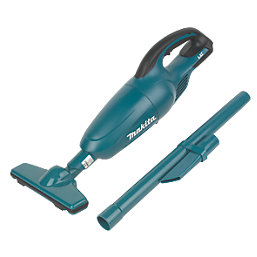
Use a car vacuum, or your home vacuum cleaner if you don’t have one, and vacuum in a cross-hatch pattern - horizontally then vertically - to capture ingrained dry dirt and sand before washing.
Step 3: Spray and Agitate
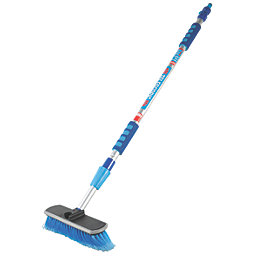
Ideally, you should use a specialist car floor mat cleaner after wetting fabric mats, as it’ll be safe to use on these surfaces. Otherwise, a gentle bleach-free carpet cleaner can work (just be sure to do a spot test first before using it all over). Apply generously over stains and marks, and use a car cleaning brush or cloth to gently agitate fibres.
Step 4: Rinse and Extract
Now, rinse the mats lightly by hand. If you have a wet-vac, this is the ideal time to use it, as it helps lift stubborn stains and extracts the dirty water to reduce drying time.
Step 5: Air Dry Completely
The final stage of car carpet cleaning is to allow your mats to dry fully before you put them back in the car. Leaving them to dry naturally in the sun and breeze is ideal, and by making sure they’re fully dry, you can prevent mould and damp smells.
Step-by-Step: Cleaning Rubber Car Mats
Rubber car mats are a practical and durable solution, as they’re less likely to become embedded with pet hair, dust and moisture, but they can be prone to caking with mud. Regular cleaning involves degreasing and removing grit, as salt from the road can damage the surface over time.
Step 1: Remove and Shake
First, remove the rubber mats carefully to avoid tipping dirt into the car carpet, then give them a vigorous shake outside to remove crumbs, dust and mud.
Step 2: Pressure Rinse
You can then rinse rubber mats with a pressure washer or a high-powered garden hose to blast away caked-on mud and debris.
Step 3: Scrub with Degreaser
Next, apply a mild degreaser or rubber-safe cleaner and scrub the surface with a stiff cleaning brush. Try to get in between the textured grooves to remove any hidden dust.
Step 4: Dry and Finish
It’s vital to fully dry your car mats before putting them back into your vehicle. Wipe with a non-abrasive clean cloth first, then leave to air dry to ensure no moisture remains on the surface or the back of the mat. It’s not recommended to use any gloss dressings or waxes, as these can be dangerously slippery underfoot.
Essential Tips for Stubborn Stains and Maintenance
Cleaning car mats more often can help prevent stubborn marks from embedding, but sometimes the cleaning method above may not be enough for certain stains. Here are our top tips for tackling ingrained grime:
-
Winter salt stains: Salt residues from road grit are a common complaint, as they can leave white marks which reappear even after cleaning. Using a standard floor mat cleaner may not be enough to remove these - instead, try a 50/50 white vinegar and water solution, applied to the mark before rinsing, or a dedicated salt remover.
-
Oil and grease: Greasy marks or oil stains may stay in place even after scrubbing. For these, try a concentrated spot treatment designed for oils, or you could try using a stronger dilution of your floor mat cleaner with a stiffer brush to break down lipids.
-
Musty smells in the car: Any mats must be 100% dry before going back in the car. Damp mats lead to fogged windows, musty smells and mould spores. Try cleaning the mats thoroughly again and leaving them to fully air dry before use.
-
Protective coatings: Although glosses aren’t recommended on rubber, you may wish to add a fabric guard (for carpet) or a non-slip matte dressing (for rubber) for extra protection and to make the next clean easier.
Things to Consider When Cleaning Car Floor Mats
Effective car carpet cleaning relies on using the correct products for the surface, and ensuring the mat is fully clean and dry before putting it back into the vehicle. Here’s how to keep cleaning simple and effective whilst protecting and preserving your mats’ performance:
-
Always tailor your cleaning products - and method - to your car mat type. Using the wrong products can weaken rubber mat surfaces and leave bleached patches on carpet mats. If in doubt, perform a patch test 24 hours beforehand.
-
You may be wondering: can you put car mats in the washing machine? The short answer is that it’s not recommended. It’s best to follow the steps above and always hand-wash, to preserve the durability, presentation, and shape of your mats.
-
Identify the stain type: Certain stains, such as oil, grease or salt, may require targeted products to lift them. Look for carpet-safe stain removers and be sure to read the instructions fully before use.
-
As mentioned before - wet mats lead to mould, odours and condensation. Always fully dry them before returning to the car.