
Choosing The Best Shed
Choosing The Best Shed

Choosing the best shed for your garden means taking into consideration practicality, size, material and style.
The material you select affects durability and maintenance: wooden sheds offer a traditional look but will need weatherproofing every few years, while metal, resin, or small plastic sheds are low-maintenance and weather-resistant. Size is also worth considering - whether you need a large shed for extra storage or a small shed to fit a compact garden, it should meet your needs without dominating your outdoor space. A small garden shed can provide convenient storage while blending into your garden and not taking up too much space.
It’s important to consider local planning regulations, as height, placement, and intended use can affect whether planning permission is required. Style may also be an important factor and you might want to choose a shed that complements your garden. Whether you go for a traditional, modern or rustic looking shed, building a shed in your garden should feel like a natural extension of your home.
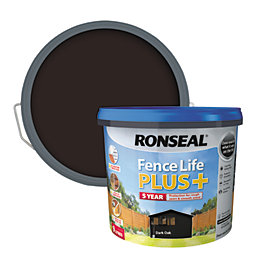
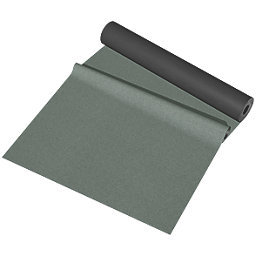
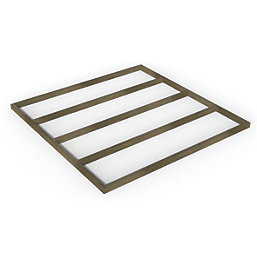
Shop Shed Related Categories

Planning Permission Considerations
In the UK, garden sheds are generally classed as permitted development, meaning you usually do not need planning permission to install one. It should however meet certain limits and conditions, which are explained below.
General Limits & Conditions
All outbuildings combined (including sheds, summerhouses and greenhouses) must not cover more than 50% of the garden area.
-
Protected properties: Permitted development rights may be restricted if your home is listed or located in a conservation area, national park, Area of Outstanding Natural Beauty, or similar designated area.
If a shed exceeds these limits, is used for business or residential purposes, or is located on a restricted property, planning permission may be required. When in doubt, it’s always advisable to check with your local planning authority before installation.
By understanding these conditions early on, you can choose a shed that fits your needs while staying fully compliant with UK planning regulations.
Height Limits
-
Maximum 2.5 metres high if the shed is within 2 metres of a boundary.
-
Up to 4 metres high with a dual-pitched (apex) roof if more than 2 metres from a boundary.
-
Up to 3 metres high with any other roof type if more than 2 metres from a boundary.
-
The shed must be single storey, with no balconies or raised platforms higher than 300mm.
Location & Usage Limitations
Sheds must be positioned behind the principal elevation of the house and they are not normally permitted in front gardens. Read below for more.
Business vs personal use
When installing or using a shed in your garden, the intended use plays a role in determining whether additional permissions or approvals are required.
Personal (Domestic) Use
Sheds used for personal and domestic purposes are usually acceptable under permitted development. This includes:
-
General storage (tools, bikes, garden furniture)
-
Hobbies or DIY
-
Occasional home working (e.g. paperwork or remote computer work)
As long as the shed remains ‘incidental to the enjoyment of the house’ and meets size, height, and location limits, then planning permission is not usually required.
Business Use
Using a shed for business purposes can change its planning status. You might need planning permission if the shed:
-
Is used regularly or primarily for running a business
-
Has clients or customers visiting
-
Generates noise, deliveries, or increased traffic
-
Is used by employees who do not live at the property
Light, low-impact use (such as a quiet home office with no visitors) may still be acceptable, but more intensive business activity is likely to be considered a change of use, which requires planning permission. Business use may also trigger business rates and additional insurance requirements.
Choosing Shed Cladding
The best material for shed cladding depends on your priorities, such as durability, maintenance, appearance, and budget, as different materials offer different benefits for style and long-term performance. Wooden cladding is a popular choice, offering a classic look and insulation of the shed. It can be painted or stained and applied in various ways to achieve certain patterns - explained further below.

Overlap Cladding
Description: Horizontal boards that overlap each other, creating a classic, rustic appearance.
Benefits: Affordable, easy to install, and provides basic weather protection.
Best for: Small garden sheds or traditional-style gardens.

Shiplap Cladding
Description: Boards with a recessed groove that interlock neatly, giving a cleaner, more uniform finish.
Benefits: Better weather resistance than overlap, smooth aesthetic, and fairly durable.
Best for: Standard sheds, workshops, and gardens seeking a neat, classic look.
Loglap Cladding
Description: Thick, rounded boards that resemble logs, often used for log-cabin-style sheds.
Benefits: Strong, highly durable, and offers excellent insulation and a premium appearance.
Best for: Log cabins, larger garden buildings, or rustic-themed outdoor spaces.
Style Considerations
Choosing the right shed style helps it blend seamlessly with your garden and home.
- Traditional sheds offer a classic look with timber cladding and pitched roofs, perfect for cottage or heritage gardens.
- Modern and minimalist designs feature straight edges, flat or pent roofs, and materials like metal, resin, or composite for a sleek, low-maintenance finish.
- Rustic sheds use rough-sawn or feather-edge timber to create an organic, natural feel, ideal for country or wildlife-friendly gardens.
- Contemporary or mixed-material sheds combine clean lines with natural textures, often incorporating vertical cladding and large windows for a stylish, design-led finish.
Size considerations and roof styles are explained in more detail below to help you choose a shed that fits your space, purpose, and style.
Size Considerations
Choosing the right shed size is essential to ensure it meets your needs without overwhelming your garden or breaching planning rules. Start by thinking about how the shed will be used - simple storage may only require a compact footprint, while workshops or hobby spaces will need extra room to move comfortably.
It’s important to measure your available garden space carefully and consider access points such as gates or pathways for installation to determine if you need a small shed or a large shed. You should also allow for future needs, as sheds can quickly become cluttered if they’re too small.
From a planning perspective, size matters. In the UK, sheds must remain proportionate to the garden and, under permitted development rules, all outbuildings combined must not cover more than 50% of the garden area. Height restrictions may also affect the overall size you can choose, particularly if the shed is located near a boundary.
Shed Roof Styles
The roof style of a shed has a significant impact on both its appearance and practicality. Different roof designs suit different garden styles and functional needs. Roof felt is an essential part of a shed roof, providing a protective, waterproof layer for the shed.
-
Apex (pitched) roofs offer a traditional look and allow for better water runoff. They also provide extra internal headroom and potential overhead storage, making them ideal for classic garden settings.
-
Pent (sloping) roofs create a more modern, streamlined appearance. They work well in contemporary gardens and are particularly suitable where height restrictions apply, as the roof slopes in one direction.
-
Flat or near-flat roofs deliver a clean, minimalist aesthetic and are often found on modern or minimalist sheds. While visually striking, they are not recommended unless designed and installed professionally, and they require good-quality materials and drainage to ensure long-term performance.
When choosing a roof style, consider both the visual impact on your garden and the practical benefits, such as internal space, drainage, and compliance with planning height limits.
Which Shed Base?
Having the correct base for your shed is essential for the longevity of your shed. It provides stability and protects against moisture. Without it, even a high-quality shed can quickly develop problems.
A good shed base ensures the shed sits level and secure. If the ground beneath is uneven or soft, the shed can become warped causing the doors to stick and panels to crack, affecting the overall strength of the shed.
Having a base also plays a vital role in protecting against damp and rot. By raising the shed slightly off the ground and allowing water to drain away, a base prevents the shed from absorbing moisture. This is especially important for wooden sheds, where prolonged exposure to damp can significantly shorten their lifespan.
Common shed base options include concrete slabs (which gives maximum durability), paving slabs (cost-effective), pressure-treated timber frames (giving raised support), or plastic base systems (providing easy drainage), each suited to different shed sizes and garden conditions.
In short, investing time and care into creating the correct base helps ensure your shed remains stable, weather-resistant, and long-lasting, protecting both the building and whatever you store inside.
Timber Shed Base
A timber base, usually made from beams or joists, is a practical option for small sheds. It raises the shed off the ground, helping with airflow and reducing moisture build-up. Timber bases are quick to install but require good drainage or raising from the ground to help drainage and prevent the wood from rotting.
Plastic Shed Base
Plastic shed bases are low-maintenance and easy to install. They provide excellent drainage and are resistant to rot and moisture. When combined with gravel infill to fill gaps in the base, they create a strong, level foundation suitable for many shed types, especially where a permanent base isn’t ideal.
Concrete Slab Shed Base
A concrete slab base is the most durable and long-lasting option. It provides a solid, level foundation ideal for large or heavy sheds and workshops. While it requires more preparation and effort to install, it offers maximum stability, weather resistance, and long-term performance.
Maintenance Of Sheds by Material
Regular shed maintenance is essential for protecting your shed and extending its lifespan. Exposure to weather, moisture, and temperature changes can cause wear over time, but routine checks and care help prevent structural damage, leaks, and deterioration. The level and type of maintenance required will depend on the shed’s material, some will need more attention than others. Keeping your shed well maintained also ensures it remains safe, secure, and visually appealing.
Wooden Shed Maintenance
Wooden sheds require the most regular upkeep due to their natural material.
-
Treat or paint the wood 2 to 3 years with a suitable preservative to protect against rot, mould, and insects
-
Check annually for signs of damp, especially around the base/floor and treat accordingly if present
-
Inspect panels for cracks or warping and repair promptly
-
Check roofing felt for cracks or peeling regularly and replace if damaged
Metal Shed Maintenance
Metal sheds are durable and low maintenance, but they still benefit from periodic checks.
-
Treat any rusty areas quickly
-
Ensure good ventilation to reduce condensation which can cause rust
-
Clean panels occasionally with mild soap and water
-
Check fixings and panels regularly to ensure they are secure
Plastic/Resin Maintenance
Plastic and resin sheds are the easiest to maintain.
-
Clean surfaces with mild soap and water to remove dirt and algae
-
Check panels for movement or warping
-
Ensure the base remains level and well supported
Composite Shed Maintenance
Composite sheds combine durability with minimal upkeep.
-
Wash down occasionally with water and a soft brush
-
Check joints and fixings to ensure everything remains secure
-
Maintain ventilation to prevent condensation
-
Avoid harsh or abrasive cleaning products