
How Much Does a Lean-To Conservatory Cost
How Much Does a Lean-To Conservatory Cost

Conservatories are a very popular type of house extension. First of all, having a conservatory gives you a unique, naturally lit extra room that connects your house to your garden. On top of this, they’re also relatively easy to install, they’re cost effective and planning regulations are usually easy to navigate. Finally, well-insulated modern conservatories can often be used all year round.
It's not always clear, however, how much you’ll need to spend to build one. There are many different types of conservatories, and there are a range of factors that affect the total cost.
In this guide, we’ll look at how much lean-to conservatories cost.
Lean-to conservatories are one of the most popular and versatile types of conservatory, and many properties in the UK feature one.
We’ll explain exactly what lean-to conservatories are. After that, we’ll explain all the factors that affect the cost of building one. We’ll offer general guidance on prices, and we’ll also explain a basic lean-to conservatory cost calculator process you can use to make a cost estimate.
Shop Conservatory Related Categories

What is a lean-to conservatory?
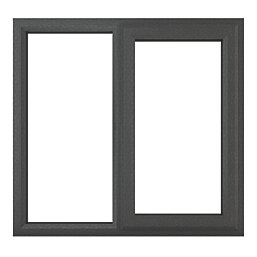
Lean-to conservatories are conservatories built with the structure leaning against the house and with a single mono-pitched roof that slopes away from the building. Normally, they’re square or rectangular in shape. They’re also often built with a small ‘dwarf’ wall that supports the main glass-panelled conservatory frame (made from uPVC, aluminium or timber). The roofs are also typically made from polycarbonate, glass or are solid felt or tiled roofs.
In the UK, conservatories were traditionally used as summer garden rooms. However, nowadays, they’re used for many purposes. Often, they’re used as dining rooms, playrooms, offices or additional living rooms, for example. Overall, conservatories are a low-cost and simple way to add extra living space and character to your home.
As well as providing a useful extra room, conservatories are often a good investment that increases the value of a property.
Lean-to conservatories are popular in the UK because they are lower cost and easier to install than other types of conservatory. They also often fall within permitted development rules, meaning you can build one without planning permission. On top of this, the low roof height and adaptable designs mean they fit most properties.
Lean-to conservatories also come in a huge range of styles and budget ranges, with high-end options available as well as budget options.
Factors Affecting Lean-To Conservatory Cost
The three main factors that affect the cost of a lean-to conservatory are the size, frame material and roof type.
Size
One of the most important factors affecting the price of a lean-to conservatory is the size.
Small lean-to conservatories cost less than larger ones. Large conservatories cost more to purchase from the manufacturer. However, in addition to the higher initial purchase prices, there are also other factors that increase the price for large conservatories. They also have larger foundation areas, take longer to install and usually require more complicated electrical, heating and finishing works.
Building a large conservatory might also be more complicated and could involve making alterations to the house. Furthermore, there are more likely to be planning issues to consider.
Here's a guide to prices for some popular lean-to conservatory sizes in the UK:
|
Size (m) |
Typical cost range (installed, incl. VAT) |
|
2.5 x 2 |
£6,000 – £9,000 |
|
3 x 3 |
£8,000 – £12,000 |
|
4 x 3 |
£9,000 – £14,000 |
|
5 x 3 |
£12,000 – £18,000 |
|
5 x 4 |
£15,000 – £22,000+ |
Frame material
Another important factor affecting the cost of a lean-to conservatory is the material the frame is made from. In the UK, the three most common materials are uPVC, aluminium and timber.
-
uPVC is the cheapest lean-to conservatory frame material but also the most popular. Despite being low cost, uPVC window frames are durable, low maintenance and offer good thermal insulation.
-
Aluminium is more expensive than uPVC, but it’s used to create very stylish, thin conservatory frames that let more light through. As well as the appealing, modern style of aluminium, it also requires very little maintenance. Some aluminium frames will offer less heat insulation than uPVC and timber frames.
-
Timber frames are the most expensive of the three choices. However, timber has a very attractive look, retains heat well and comes in a huge variety of styles. Timber lean-to conservatories look particularly good on older and more traditional properties. On the other hand, timber frames require more maintenance than uPVC and aluminium.
Here’s a guide to typical prices for different lean-to conservatory frame materials in the UK:
|
Material |
Typical cost range (installed, incl. VAT) |
|
uPVC |
£6,000 – £15,000 |
|
Aluminium |
£10,000 – £18,000 |
|
Timber |
£12,000 – £22,000+ |
Roof type
The type of roof fitted on a conservatory also has a big influence on the total cost. Different roofs offer different levels of thermal insulation, brightness and aesthetic appeal.
The three common materials are polycarbonate, glass and solid tile or felt roofs.
-
Polycarbonate - Clear polycarbonate sheets are used to create low cost, durable conservatory roofs that allow a good amount of natural light through. Cutting and fitting polycarbonate sheets is also quick and easy. However, they offer reduced thermal insulation, are noisy in the rain and do not look as attractive as glass or solid roofs.
-
Glass roofs provide reasonably good insulation, they maximise natural light, and they look great. Different glazing options also offer choice over thermal insulation and brightness levels. They are, however, more expensive than polycarbonate and can lead to overheating without good solar control.
-
Solid roofs (tiles or felt) provide the best insulation, look attractive and make the conservatory feel more like a permanent room. Often, they’re the best choice for a conservatory that will be used in the winter. They also make it easier to integrate lighting. The trade-off is that they reduce natural light and are the most expensive.
Hybrid roofs that mix materials are also available.
Here’s a quick guide to prices for lean-to conservatories with different types of roof:
|
Roof type |
Typical cost range (installed, incl. VAT) |
|
Polycarbonate |
£6,000 – £9,000 |
|
Glass |
£8,000 – £14,000 |
|
Solid |
£12,000 – £22,000+ |
Additional Costs That May Impact The Cost Of A Lean-To Conservatory
There are also several other factors that can affect the cost of a lean-to conservatory.
Foundation work
If anything needs to be cleared away where your conservatory will go, or if ground conditions are poor, this will add to the cost.
Another important factor here is whether your conservatory will be built with small ‘dwarf’ walls that the frame will sit on top of. Otherwise, the frame will rest at ground level. Adding walls increases the cost.
Some lean-to conservatories, often large ones, will also mean making adaptations to the house, which will increase the price. Small lean-to conservatories tend to cost less in foundation work.
Electrical work
Lean-to conservatories need to have electrics installed, which will mean hiring a competent and suitably qualified electrician, preferably registered with the NICEIC.
Remember to plan electrical work in advance, and consider installing TV aerial cables as well.
Heating
Adding heating will also increase the cost, with the amount depending on the type of heating you choose.
It often makes more sense to heat a lean-to conservatory with electrical wall, panel or underfloor heating rather than with plumbed-in central heating. However, some people will want to add plumbed-in central heating, particularly if they will use the conservatory all year round.
Plan plumbing work ahead of time and always hire a competent and suitably qualified registered plumber.
Flooring
The type of flooring you install in your lean-to conservatory will affect the cost. The most common types are:
-
Tiled (ceramic, porcelain or stone)
-
Laminate
-
Vinyl
-
Carpet
-
Engineered wood and hardwood
Adding underfloor insulation will also help to improve thermal insulation, but it will add to the cost.
Glazing type
There is a variety of glazing types on offer, and the choice will significantly affect the total cost.
You’ll need double glazing at a minimum, even for a cheap lean-to conservatory. It is essential for good heat insulation and to satisfy building regulations. However, some people will want to pay extra for triple glazing. Note that quality levels vary between brands, so it’s a good idea to look at the U-value to understand exactly how well your glazing will insulate your conservatory.
There are also other steps you can take to improve thermal insulation in a conservatory, including additional ways to insulate windows.
There are also other specialist types of glass for conservatories:
-
Self-cleaning glass - Useful for reducing maintenance on glass roofs.
-
Solar glass - Designed to provide insulation, keeping the temperature stable year round.
-
Acoustic glass - Blocks noise.
-
Decorative glazing – Used in some conservatories to increase visual appeal.
Painting, decorating and finishing
Walls usually require plastering on the inside, and there may be other costs you need to cover for painting and decorating, depending on the design.
It is possible to paint uPVC windows if you find you would like to alter the design of a uPVC conservatory.
How To Calculate Lean-To Conservatory Cost
The price of a lean- to conservatory varies significantly from house to house. However, you can make a basic cost estimate using the following lean-to conservatory cost calculator process.
Step 1: Start with the typical cost for your conservatory size:
-
Small (2.5x2 m): £7,500
-
Medium (3x3 m): £10,000
-
Large (5x4 m): £18,500
Step 2: Adjust cost for the frame material
-
uPVC: +0%
-
Aluminium: +20%
-
Timber: +40%
Step 3: Adjust cost for roof type
-
Polycarbonate: +0%
-
Glass: +25%
-
Solid roof (tile or felt): +50%
Step 4: Add extras
Include flooring, heating, electrical work, and finishing.
Add 10 - 15% for basic extras, or 20 - 25% for high-end options.
Example: A medium 3x3 m uPVC conservatory with a glass roof and basic extras:
-
Base size: £10,000
-
Frame (uPVC +0%): £10,000
-
Roof (glass +25%): £10,000 x 1.25 = £12,500
-
Extras (basic +15%): £12,500 x 1.15
Total = £14,375
Note that this lean-to conservatory cost calculator only gives a rough estimate. The actual price is likely to vary.
Key Considerations When Building A Lean-To Conservatory?
Lean-to conservatories are generally lower cost, simpler and easier to install than other types of conservatory. However, fitting one at your home is still a big project. Make sure you take the time to choose the right conservatory and plan the work carefully before you buy anything.
Sometimes, people rush the planning stage and end up making decisions that could have been better.
Most importantly, take the time to weigh up your options carefully before you decide what conservatory to buy. While you might save on cost with a small lean-to conservatory or one with lower cost glazing and materials, a cheaper lean-to conservatory might not serve you as well in the long run. Ultimately, you want to create a room that will improve your life at home and add value to your property. Choosing a structurally sound conservatory with good thermal insulation will also last longer and reduce energy costs.
Importantly, make sure you understand planning regulations before you start work. Lean- to conservatories typically fall under permitted development rules. However, take the time to make sure for your conservatory before you start work.
Above all, however, having a conservatory will give you a nice extra room in your home that has a unique connection to your garden.