
How To Remove Varnish From Wood
How To Remove Varnish From Wood

Removing old varnish is essential when you want to breathe new life into wood surfaces. Over time, varnish can become worn or yellowed, diminishing the wood’s natural beauty. It’s important to remove the varnish carefully to avoid damaging the wood underneath.
Whether you’re preparing a surface for re-varnishing or completely changing its finish, understanding the right process and tools will help you achieve a smooth, clean base. This guide will walk you through every step, answer common queries like how to get varnish off wood and provide alternatives if you’d like to learn how to remove varnish from wood without sanding.
Shop Varnish Removing Related Categories
What you need to know before removing varnish from wood
Varnish is a protective coating that enhances the wood’s appearance and guards it against wear and moisture. However, as time passes, varnish may look tired or damaged. When this happens, you’ll need to strip the varnish for a fresh start.
Before getting started, make sure you know what type of varnish you’re dealing with, whether it’s a traditional oil-based finish or a modern water-based version, as this affects the removal method. Knowing how to remove varnish involves recognising the wood’s properties and the appropriate technique required. With this knowledge, you can learn how to get varnish off with minimal fuss and confidently tackle your project to ensure the longevity of your wood surface.
Tools and materials needed to remove varnish from wood
Before you begin, make sure you’re well-equipped with the right tools for the job:
-
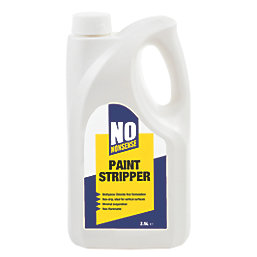
Paint stripper to break down and dissolve varnish, making it easier to remove. This product is usually available in both traditional solvent-based and eco-friendly formulas.
-
Brushes to apply the paint stripper. Choose a stiff-bristled brush for easier application.
-
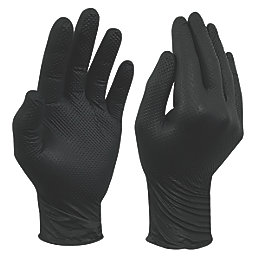
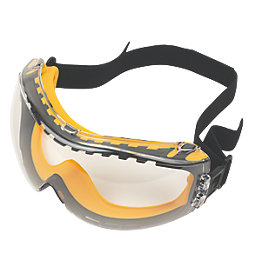
Protective gloves and clothing for safety when using chemical strippers. Gloves protect your hands from harsh chemicals, while long sleeves and goggles shield your skin and eyes.
-
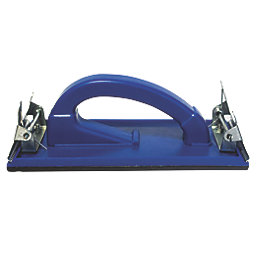
Sanding materials, such as fine-grit sandpaper or an electric sander, for touch-ups after varnish removal and to ensure a smooth surface for refinishing.
-
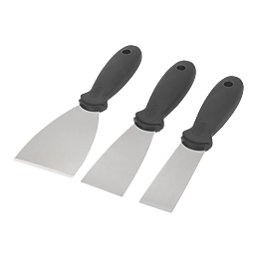
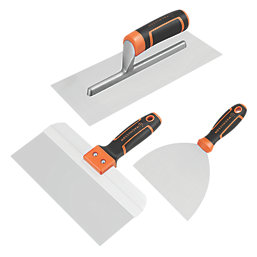
Knives and scrapers for detailed removal work, especially on delicate or ornate surfaces. A putty knife or stripping knife can help lift stubborn varnish without gouging the wood. A flat scraper will help scrape away softened varnish without damaging the wood surface.
-
Edge and jointing tools to help remove varnish from tight corners, intricate carvings and joints that a standard scraper may not reach.
-
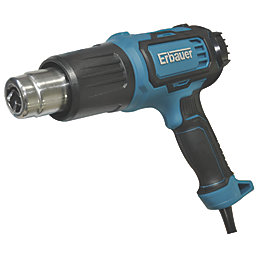
Heat guns to soften the varnish using high temperatures (rather than chemical stripping), making it easier to scrape off.
-
Drop cloths or old newspapers to protect surrounding areas and floors from drips, spills and debris, keeping the workspace clean and reducing cleanup time.
Having these materials at hand will help you learn how to remove varnish from wood with confidence, including how to strip varnish from wood using both chemical and heat methods.
How to strip varnish from wood with a paint stripper step-by-step
If you want to know how to strip varnish from wood using a chemical paint stripper, you should:
-
Prepare and protect the area.
-
Apply the stripper evenly.
-
Scrape off the softened varnish.
-
Clean and neutralise the surface.
We’ve outlined each step in detail below:
Step 1. Prepare and protect the area
Before you begin, cover the floor with a drop cloth and remove any nearby items to avoid accidental damage. Ensure the workspace is well-ventilated by opening windows or using an extractor fan.
This step is vital for maintaining a clean, safe environment while you work.
Step 2. Apply the stripper
Using a brush or roller, apply the paint stripper evenly over the varnished surface. There are various types of strippers available, from chemical formulations to more natural options, so ensure you read the manufacturer's instructions carefully. This will ensure you know how to get varnish off wood without damaging the wood underneath.
Step 3. Scrape off the softened varnish
After allowing the stripper to work for the recommended time, use a knife, scraper or edge and jointing tool to gently remove the softened varnish. Work steadily to avoid gouging the wood, and repeat the application of the paint stripper if necessary.
Step 4. Clean and neutralise the surface
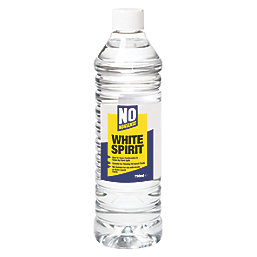
Once all the varnish has been removed, it's important to clean and neutralise the surface to ensure no stripper residue or debris remains. Use a cloth dampened with white spirit or soapy water to wipe down the wood, following the grain. Some chemical strippers require a specific neutraliser, so you should always check the manufacturer’s instructions.
Allow the surface to dry completely before refinishing. This step is crucial for ensuring the wood is properly prepped and helps prevent any issues with future staining or sealing.
How to strip varnish from wood with a heat gun step-by-step
If you want to remove varnish using a heat gun, you should:
-
Heat the varnish gradually.
-
Scrape off the softened varnish.
-
Cool and clean the surface.
We’ve outlined each step in detail below:
Step 1. Heat the varnish gradually
Hold the heat gun a few inches away from the surface and move it steadily over the varnish. The heat will soften the varnish, making it easier to remove. This technique is one of the trusted methods on how to get varnish off wood quickly and safely.
Step 2. Scrape away the softened varnish
Avoid lingering too long with the heat gun in one spot to prevent scorching the wood. Once the varnish softens, gently use a knife, scraper or edge and jointing tool to lift it off. This method offers an effective alternative to chemical strippers and is also a good option if you want to remove varnish without sanding.
Step 3. Cool and clean the surface
After removing the varnish, allow the wood to cool completely before proceeding. Once cool, use a damp cloth with soapy water or white spirit to wipe away any remaining residue or debris. This step ensures the surface is clean and ready for refinishing, preventing any leftover varnish from interfering with stains, oils or new finishes.
Tips and tricks to make varnish removal easier
If you want to know how to remove varnish from wood and make the removal process more efficient and easier, follow these tips:
-
Always test the removal method on a small, inconspicuous area to check how the wood reacts. Some strippers or heat guns may affect the wood grain differently, so testing prevents potential damage.
-
Apply the stripper or heat treatment to a manageable area at a time. This prevents the stripper from drying out before you can scrape it off and helps maintain control over the process.
-
Always adhere to the manufacturer’s guidelines when using paint strippers or heat guns. Incorrect application can lead to ineffective results or damage to the wood surface.
-
Wear chemical-resistant gloves, safety goggles and a respirator mask if working with strong chemical strippers. Heat-resistant gloves can help prevent accidental burns when using a heat gun.
-
Some varnishes require multiple applications or a longer dwell time before they soften completely. Rushing the process can lead to uneven stripping and extra work later.
-
If one method isn’t effective, try a different approach. For example, if a chemical stripper doesn’t fully remove the varnish, follow up with a heat gun or light sanding to achieve a clean surface.
How to remove varnish from wood without sanding
Not every varnish removal project requires sanding, and knowing how to remove varnish from wood without sanding will help minimise dust and the labour involved.
Chemical strippers and heat guns provide excellent alternatives that preserve the integrity of the wood and ensure a smooth finish.
How to treat wood after removing varnish
Once you know how to get varnish off wood safely and you’ve successfully removed the varnish, you’ll need to re-treat the wood for a refreshed and durable finish. Start by thoroughly cleaning the surface with a mild detergent and water to remove any chemical residues.
Once dry, condition the wood with a suitable oil or sealant to restore moisture. At this stage, you may also decide to refinish or reapply a new layer of varnish.
Safety considerations when removing varnish from wood
Safety must always come first. When working with chemicals or heat, ensure your workspace is well-ventilated and wear appropriate protective gear. This includes gloves, masks and safety goggles to protect your eyes from splashes and debris.
You should also read the product instructions to ensure you use them correctly. Whether you’re using chemical strippers or a heat gun, proper handling and adherence to safety protocols are essential when stripping the varnish.
How to remove varnish from wood: key takeaways
Removing varnish from wood is a process that requires preparation, the right tools and strict adherence to safety measures. Whether you choose chemical strippers or a heat gun, knowing how to remove varnish from wood will help you achieve a clean surface for refinishing.
Remember to always test your chosen method on a small area and follow step-by-step guidance carefully to ensure success. Once you know how to strip varnish from wood, you can then learn how to seal emulsion paint on wood.