
A Guide to Garden Gate Ideas
A Guide to Garden Gate Ideas

Choosing the right garden gate can enhance both the look and practicality of your outdoor space. From a welcoming front garden gate to a secure back or side garden gate, there are options to suit every layout, including small openings for a Small garden gate and wider entrances that require a large garden gate.
This guide covers key styles, materials, and placement considerations to help you make the right choice. Alongside practical advice on security, sizing, and maintenance, it also offers inspiration and garden gate ideas to help you find a gate that meets your needs and complements your outdoor space.
Shop Garden Gate Related Categories




Tools & Materials You Might Need
Spirit level – Helps ensure the gate and supporting posts are perfectly level, allowing the gate to hang evenly and open and close smoothly without dragging.
Tape measure – Used for accurate sizing of the opening, gate width, hinge spacing, and ground clearance before and during installation.
Drill & screws – Essential for fixing hinges, latches, and other hardware securely to the gate and posts, providing a stable and long-lasting installation.
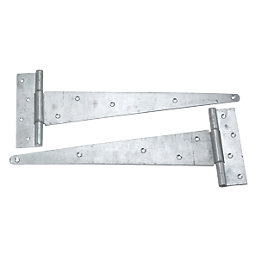
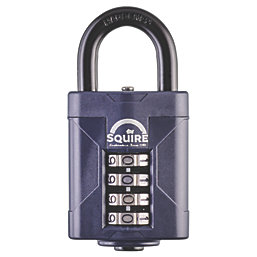
Hinges & latch – Enable smooth movement and reliable locking; selecting a hinge that is the correct size and weight rating helps prevent sagging and improves security.
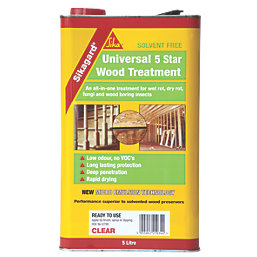
Paint, stain, or sealant (Woodcare products)– Protects the gate from moisture, UV exposure, and weathering, helping maintain its appearance and extend its lifespan.
Sandpaper – Smooths rough or uneven surfaces before finishing, improving adhesion of paint or sealant and delivering a cleaner final look.
Why A Garden Gate Matters
A garden gate combines practical function with visual appeal. It helps define a secure boundary, enhances privacy, and improves safety, while also boosting kerb appeal and adding value to your property. As a key design feature—especially at the front of a home—it can complement fencing, planting, and the overall garden style.
Different gate placements serve different purposes. A front garden gate focuses on first impressions, a back garden gate prioritises privacy and security, and a side garden gate provides convenient access between areas. Chosen carefully, the right gate improves how your garden functions while adding a stylish finishing touch.
Garden Gate Placement Options
Where you place a garden gate can have a big impact on both the flow and functionality of your outdoor space. Different locations—front, back, or side—serve distinct purposes, from creating a welcoming entrance to providing privacy or convenient access. Understanding the options available will help you choose the right gate for each area, ensuring it meets your practical needs while enhancing the overall look of your garden.
Front Garden Gate Ideas
A garden gate is sometimes the first thing visitors will see as they enter your property. If the gate is the main focal point of your garden, you may want it to create a welcoming atmosphere for guests. Wrought iron is a popular choice to bring elegance to your area, painted wood gives a cottage feel or you may want to go for a modern look and choose sleek composite. As well as this, the gate can act as a deterrent to unwanted visitors if this is preferred, so height and strength of the gate will need to be considered, as well as lockable features.
Back Garden Gate Ideas
A back garden gate will often offer security and privacy, as well as providing access to alley ways, servicing areas and neighbouring areas. A taller gate will give more privacy to your home and garden and durable materials such as treated timber or galvanised steel are recommended for longevity. It is also important to consider easy locking mechanisms to keep your garden secure while allowing convenient access, as well as weather resistant materials that can withstand harsh weather conditions, including rain and sun.
Side Garden Gate Ideas
A side garden gate usually connects two buildings and gives access to the front and back of the house or garden, or narrow side passages. They can add a visual interest to the house if you choose a style that suits the aesthetic. Read below for more on gate styles.
Popular Garden Gate Styles
Garden gates come in a wide variation of styles to suit different properties and tastes. Popular choices range from classic wrought iron gates, wooden gates for a traditional look, to modern composite gates.
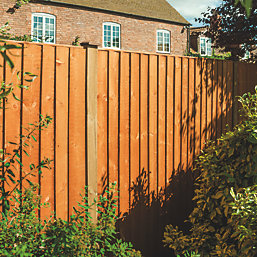
Wooden gates provide more classic and rustic styles, with arched tops, or simple vertical boards for a clean, heritage look and a more enclosed, private entrance to the garden.
Wrought iron gates often feature elegant curves and scrollwork for a decorative appearance, that can sometimes create a more formal, traditional entrance. Given their open design, they allow a glimpse into the garden and let light pass through.
Composite gates are often chosen for more contemporary settings, with sleek lines, smooth finishes, and minimalist detailing that suit modern homes.
Ultimately, choosing the best garden gate means choosing one that complements your property’s style and reflects your personal taste, creating an entrance to your garden that is both practical and visually appealing.
Choosing The Right Garden Gate Material
Choosing the most suitable material for your needs is paramount to balancing style, durability and maintenance.
Wood (timber)
Pros: Wooden gates can bring a rustic, warm aesthetic to gardens and you can customise them to your taste. They can easily be painted or stained to suit your home’s style. Wood also allows for easy repair.
Cons: Wood requires regular maintenance to prevent it rotting and warping so it needs to be treated to offer protection from harsh weather like sun and rain.
Metal (steel, wrought iron)
Pros: Metal gates provide added security due to being a very strong material, but are also popular where durability and decorative style are priorities.
Cons: Can be more expensive than other types of gate, and more prone to rusting if you live in a humid or coastal location. They offer less privacy due to open metalwork.
Composite
Pros: Low maintenance, no treating needed. Excellent durability, so can last a long time with just occasional cleaning with a basic cleaning solution like soap and water.
Cons: Harder to repair, often requiring whole new panels rather than replacing a slat like you would with a wooden gate. Can be more expensive initially.
Installation & Maintenance Tips
- Measure the opening accurately before buying - Check width, height, and ground clearance so the gate fits correctly and opens smoothly.
-
Choose gate hinges and latches suited to the gate’s weight - Heavy gates need strong, load-rated hinges to prevent sagging and premature wear.
-
Ensure posts and hinge fixings are secure - Posts should be level and firmly set, with hinge bolts or screws tightened properly.
-
Weatherproof the gate and hinges before installation - Apply suitable coatings or treatments to the gate, fixings, and hinge areas for added protection.
-
Check hinge alignment regularly - Inspect hinges for loosening or movement to keep the gate square and operating smoothly.
-
Maintain annually - Clean the gate, lubricate hinges, and refresh protective finishes to extend lifespan.