
What is a Combi Boiler?
What is a Combi Boiler?

A combi boiler, also known as a combination boiler, is a popular type of boiler, fueled by gas, LPG, oil or electricity. A combi boiler provides both hot water and central heating. It was traditionally developed to combine all aspects of a central heating system together in one convenient unit.
Combi boilers have become more widely used due to a compact design which enables it to be installed into any area, including those that are more restricted. This makes it suitable for homes with limited space to accommodate a boiler or those that want to merge heating and hot water into a single system.
A combi boiler can also be simple to install, as other types of boilers may need additional parts or equipment to run both hot water and central heating efficiently. Understanding exactly what is a combi boiler could help you make the most appropriate boiler choice for your home.
Shop Combi Boiler Related Categories



How does a combi boiler work?
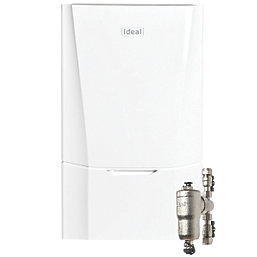
What is a combi boiler? This type of boiler is known to be an efficient and powerful system. When you turn on a tap or put the heating on in your home, the boiler reacts and starts to heat water. Different from a traditional boiler, the combination boiler doesn’t need a hot water storage cylinder, as it heats water when you need it.
As you turn on water or heating, a flame is ignited, or heating element turned on, within the boiler which produces heat. This heat is absorbed by heat exchangers which warm up the water drawn from the mains by the boiler or to heat and pump the water in the central heating loop.
The ideal boiler pressure for a combi boiler is between 1 and 1.5 bar when the water is cold and the system isn’t in use. It’s normal for this level to rise when your boiler is being used. When researching what is a combi boiler and how to use the system in your home, it helps to understand optimum pressure levels.
With combi types, resetting a boiler should be straightforward in many cases. If you need to reset, press the ‘reset’ button which may have a cross or flame on it. Hold the button for up to 10 seconds.
Wait for around 1-3 minutes for the boiler to restart. If there is an error code or the boiler fails to restart, you may have to consult a registered heating engineer.
Benefits of combi boilers
Combi boilers have many advantages for people looking for a compact and modern boiler, including:
-
Space saving design: as there are no external tanks with a combi boiler, it’s likely they can fit into most homes within a dedicated space (a kitchen unit is a common place to house a combi boiler).
-
Energy efficiency: water is heated as you need it which reduces energy use and could be cost effective.
-
Continuous hot water supply: you don’t need to wait for a tank to heat up with combi boilers as they heat water when you need it.
-
Quick installation: a combi boiler is usually easy to fit and less disruptive to your household than traditional systems due to its compact nature. This is helpful if you’re working out which combi boiler might be the most suitable.
-
Easy repair: combi boilers are typically modern, using boiler parts that are more common than older system parts.
Disadvantages of combi boilers
It’s always helpful to know the potential drawbacks of a system you install, including combi boilers.
Here are some possible disadvantages of combi boilers:
-
Rely on mains water pressure: as combi boilers depend on mains water pressure to operate as a system, if this dips or decreases, the boiler may struggle to retain pressure.
-
Supply more than one outlet: a combi boiler may not be able to successfully deliver adequate amounts of hot water to multiple outlets at the same time. For example, if several taps and a mixer shower are on at the same time, there may be reduced pressure for the two outlets as the boiler may struggle to keep up with flow.
-
Stand alone: a combi boiler doesn’t have a secondary immersion, so if it doesn’t work at any point, there will be no hot water available at that time.
-
Don’t work with power showers: if you have a power shower, it will have a separate pump to increase water pressure. This isn’t compatible with a combi boiler, so you’ll need to replace the shower with a standard mixer shower, or electric shower..
Combi boiler fuel types
Combi boilers are efficient and compact. They are available using different fuel types and it might help to consider your home location, fuel types you’re able to use, and cost efficiency as you make your decision about which combi boiler to purchase.
Each combi boiler fuel type will suit specific home set ups, fuel availability in your area, and budget boundaries. Working out your priorities and which fuel you want to use will help with your choice.
Gas Combi Boilers
The most common type of combi boiler is one powered by mains gas. Combi boilers that use gas as a fuel are generally seen to be a cheap and convenient boiler option. Also known as a wet system, gas-powered combination boilers use mains gas to heat up your water and warm your home.
If you’re gas connected, it might be useful to work out which combi boiler could suit your needs best and fit comfortably in your property. Researching what is a combi boiler and how it might work in a gas-fueled home could bring you clarity.
An advantage of gas-powered combi boilers is that, due to being fuelled by mains gas, you don’t have to worry about fuel storage or storage costs, such as with oil or LPG, as the gas comes directly from the mains.
A gas combi boiler that you can buy today is likely more efficient and cost effective than more traditional boilers, and is seen to be suitable for most homes connected to the mains gas network.
LPG Combi Boilers
LPG (liquefied petroleum gas) combi boilers are a common alternative for homes that don’t have mains gas. LPG is delivered to your home and stored in an external fuel tank.
Similar to a gas combi boiler, LPG combi boilers tend to work in the same way as they heat hot water and work central heating in your home. It’s good to know that LPG combi boilers offer comparable levels of efficiency for heating and hot water as gas combi boilers.
In general terms, LPG combi boilers may have higher fuel costs compared to a gas combi boiler as the fuel isn’t coming from a large and established fuel network. These costs might also fluctuate depending on demand, so it’s always helpful to keep an eye on prices.
Electric Combi Boilers
If you live in a home without gas or oil access, then an electric combi boiler might be a good choice. An electric combi boiler works like a gas system, heating up hot water and working your central heating on demand. Typically a compact single unit, an electric combi boiler doesn’t generally require a flue or condensate pipe, so it can be positioned more flexibly in a home.
One plus for an electric combi boiler is that they generally don’t need much maintenance and operate relatively quietly. However, they are dependent on electricity prices, which may change over time. This could potentially create higher running costs for your electric combi boiler at different times.
Oil Combi Boilers
Oil combi boilers are quite popular in rural areas, particularly if mains gas is unavailable. An oil combi boiler needs to be connected to the water mains supply and will need a tank to store oil for boiler use. This will mean that regular oil deliveries are necessary, but it can be a useful heating solution for off-grid homes.
Oil combi boilers are said to be efficient as they have instant water access. Oil has a better return on each energy unit so oil combi boilers may minimise costs. Usually compact in size, oil combi boilers may also suit those with reduced space in their homes.
Is a combi boiler suitable for your home?
There are several factors to consider when you’re thinking about installing a combi boiler in your home. The size of your household is an important factor, as the boiler you choose will have to accommodate the amount of people requiring hot water at certain times of the day, such as showers in the morning.
Hot water demand could also influence your decision: do you need more hot water at night, during the day or at different times of the week? A combi boiler can give you hot water relatively quickly, but if you consistently need a large amount for multiple outlets, you may need an alternative system.
Another aspect to consider is the number of bathrooms you have and the amount of simultaneous use you need to support your household. When you choose a combi boiler, it makes sense to ensure the water supply can deliver your daily needs.
What are the existing water pressure levels in your area? Combi boilers work best when there is good, consistent water pressure available. Looking into this, such as referring to a boiler buying guide, could help you make a more informed decision.
You may want to assess sustainable or modern boiler options, such as an air source heat pump. It may be helpful to talk with a qualified heating engineer to assess your individual needs and determine the most appropriate boiler type for your home.
Installation and maintenance of a combi boiler
Proper installation by competent and suitably qualified professionals and regular servicing is crucial for ensuring the longevity and consistent performance of your combi boiler, whichever type you choose.
This is because installing a boiler usually involves removing the old boiler, fitting the new unit and connecting it to fuel and water pipes. A registered Gas Safe Heating Engineer must carry out all gas boiler installations, and a competent OFTEC registered technician must install oil boilers.
The engineer should also check that the right flue and boiler accessories are used during installation so that the boiler will work at its optimum level.
Using a qualified heating professional ensures that the boiler is installed safely and fuel is connected securely for the protection of your household. A faulty boiler could be a safety hazard for your home. It’s good to be aware of the signs of a faulty boiler, such as unusual or untypical noises, leaks, low pressure or a change in the pilot light colour.
Boiler maintenance should include an annual service check by a suitably qualified heating engineer to confirm that the boiler is working efficiently, the gas pressure is correct, and there are no leaks.
Cost of a combi boiler
As with any boiler, the cost of combi boiler installation can vary. Prices may be influenced by the size and efficiency of the model you select. In addition, there’s likely to be a cost for the professional heating engineer to fit your boiler.
The costs of a new boiler generally sit within a range. In 2025, a new combi boiler may cost around £1,500 on average for the system.
Replacing an old combi boiler with a new one in the same location will cost between £2,500-£4,000 for supply and install. A new combi boiler replacing a different type of boiler costs £4,000 on average for supply and installation.
In order to calculate the costs of a new boiler for yourself, you can work out the cost of heating engineer services. This is because only a competent and suitable qualified heating engineer can install or maintain a boiler.
Key takeaways on combi boilers
With a range of benefits, combi boilers can be convenient, cost-efficient and simple when it comes to heating hot water and warming your home. Due to its connection to the mains water supply, a combi boiler heats water when you want to use it.
Another factor to consider when choosing which combi boiler model would work in your home, consider the fuel that suits your individual situation, such as oil, gas or electricity. If you have a compact area for a boiler, then a combi boiler is likely to fit the space comfortably.
Combi boilers are relatively quick and simple to install and can be more cost effective to fit into place than traditional or complex boilers. Considering household circumstances, budget, fuel sources and use levels will help you choose the most appropriate boiler for your needs.