
What Is Laminate Flooring?
What Is Laminate Flooring?

Laminate flooring is made up of multiple thin layers of synthetic material, fused together and laid down on the floor to look like real wood, stone or tiles, but offering a more affordable option. It is sometimes referred to as laminate wood flooring, but it is actually only made to look like wood. The layers usually consist of a backing layer which acts as a moisture barrier, a core layer for stability, a decorative layer made to look like wood or stone followed by a clear layer for protection and durability. Laminate flooring is used in living rooms, hallways, bedrooms and commercial spaces and is often easier to install than natural materials.
Shop Laminate Related Categories


Key Takeaways
-
Materials: Laminate flooring is synthetic materials fused together to create flooring that mimics real wood, stone or tiles.
-
Cost: It offers a more affordable option to using natural materials and is often easier to install.
-
Location: Used in bedrooms, hallways, and commercial spaces.
-
Pros: It serves the purpose of durable and stable flooring that looks good, at a lower cost than real wood.
What Is Laminate Flooring Made Of?
Wear Layer
The top layer of laminate flooring, known as the wear layer, serves as the protective surface, which is there to protect the flooring from scratches from every day wear and tear, foot traffic, pets and furniture. It is often made of aluminium oxide or melamine resin (or sometimes a combination of both), which are hard and durable and can offer a glossy, matt or textured finish.
Cellulose paper
The decorative layer which is designed to look like wood, tiles or stone is made from high quality cellulose paper which is specially treated to become moisture-resistant, strong and stable. High resolution printing technology is used to create an image which mimics natural materials. This layer determines the style and colour of the flooring, with laminate coming in various patterns to look like real woods such as oak, pine, walnut or other materials like marble or stone. It can also be printed in different colours to create grey laminate flooring, black laminate flooring and most other shades, although manufacturers tend to focus on colours that look like natural materials as they are most popular.
Core Layer
The core layer of laminate flooring is usually made from wood fibres such as High-Density Fiberboard (HDF) or Medium-Density Fiberboard (MDF). It is the main structural support of the flooring, so serves the purpose of being strong and stable and provides most of the thickness of the laminate flooring.
Backing Layer
This is the bottom layer of the laminate flooring and it acts as a shield to the core layer, preventing moisture from the floor beneath reaching the core layer, which helps to stop it from warping. It also provides improved stability for the flooring and can also provide thermal insulation, keeping the laminate floor slightly warmer in cold rooms.
Pros And Cons Of Laminate Flooring
Pros
-
Much more affordable than real hardwood flooring
-
Durable and scratch resistant
-
Easier installation as most laminate flooring is designed to snap together without the use of glue or nails
-
Low maintenance, easy to clean up spillages
-
Great for families with young children and pets
Cons
-
Not fully waterproof
-
Cannot be refinished - if it gets damaged the whole plank needs to be replaced
-
Less natural feel than real wood - can feel colder and more hollow than real wood
-
It can become slippery when wet
Laminate Flooring Installation Costs
To install laminate flooring you can expect to pay anywhere between £22 and £50 per square metre including materials and labour. So depending on the size of the room, and your location, total cost for a laminate floor project will range from around £300 to £1200.
This estimate depends on the quality and therefore price of the laminate, the underlay selected and labour costs to install the flooring. Factors to also consider will be if the old laminate flooring needs removing before fitting the new one, and levelling or cleaning of the sub floor - both of which will contribute to the overall cost.
Tools And Materials Needed For Laying Laminate Flooring
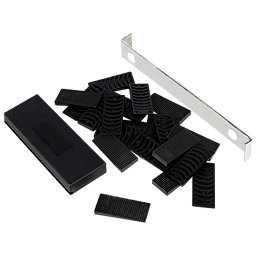
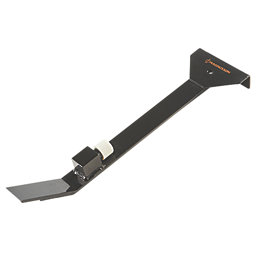
If you are laying laminate flooring, ensure you have all the tools you need to complete the job before you start. Some of the tools can be bought together in a kit but you may also need the below:
Measuring and prep
-
Tape Measure or a ruler
-
Pencil or pen
Cutting tools
Installation tools
-
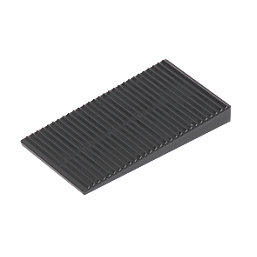
Tapping block
Spacing & alignment
Safety equipment
How To Lay Laminate Flooring - Step By Step
Laying laminate flooring is fairly straightforward to do yourself. Start by acclimatising the laminate for at least 2 days before laying it. It expands and contracts depending on the room's temperature so it’s best to acclimatise it before laying it to avoid warping and gaps. Follow the steps below for a smooth installation.
-
Step 1 - Prep: Remove old flooring, nails, and skirting boards.
-
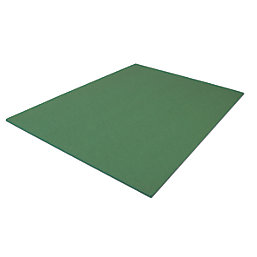
Step 2 - Lay underlay: across the floor (perpendicular to laminate) and tape seams.
-
Step 3 - Plan layout: Start in a corner, leave an 8-10mm expansion gap, and avoid a narrow final plank.
-
Step 4 -Lay the first row: Click planks together and cut the last plank to fit (minus expansion gap).
-
Step 5 -Continue rows: Stagger joints, click planks into place, and cut as needed.
-
Step 6 - Cut the laminate: Cut around pipes and door frames (drill or undercut where needed).
-
Step 7 - Fit final row: Cut to size and secure with a pull bar.
-
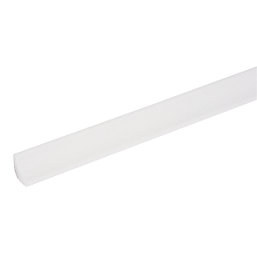
Step 8 - Finish: Remove spacers and refit skirting boards to cover gaps.
Common Misconceptions About Laminate Flooring
-
“Laminate flooring looks cheap” - many people believe that laminate flooring can look cheap and lacks the aesthetic appeal of natural wood, but this can be far from the truth due to advances in technology which allows manufacturers to produce high quality laminate planks that are hard to differentiate from real wood.
-
“Laminate flooring is easily damaged” - some think that laminate flooring is not durable enough to last. In fact, it is highly resistant to scuffs and scratches and as long as it’s not left with water pooled on it and it is looked after, it can stand the test of time.
-
“Laminate flooring is waterproof” - it is easy to clean up spillages from laminate as it does not soak in like it would with carpet, but laminate flooring is not waterproof, as if liquid is left on the laminate flooring it can cause warping.