
Treating Woodworm: How to get rid of woodworm safely
Treating Woodworm

Woodworm is the common name for the larval stage of wood-boring beetles, and not actually a species of worm at all. This common issue can affect floorboards, joists, beams, furniture, and other kinds of timber, especially if the wood is damp or poorly ventilated. Though serious woodworm problems require professional attention, a lot of minor infestations can be treated yourself with the right products, safety precautions, and preparation. In this guide, we’ll explain how to identify woodworm, how to get rid of woodworm, and how to prevent woodworm returning in the future.
Woodworm is the common name for the larval stage of wood-boring beetles, and not actually a species of worm at all. This common issue can affect floorboards, joists, beams, furniture, and other kinds of timber, especially if the wood is damp or poorly ventilated. Though serious woodworm problems require professional attention, a lot of minor infestations can be treated yourself with the right products, safety precautions, and preparation. In this guide, we’ll explain how to identify woodworm, how to get rid of woodworm, and how to prevent woodworm returning in the future.
Shop Woodworm Related Categories


Key Takeaways
-
Early detection - Small exit holes, soft timber, and frass are often signs of an active woodworm problem.
-
Why it matters - Prompt, effective treatment will help limit further weakening of furniture, floors, or structural timber.
-
Treatment options - Both chemical treatments and non-chemical measures, e.g. drying out damp timber and replacing damaged sections, can play a part in effective treatment.
Identifying A Woodworm Infestation
The clearest signs of a woodworm infestation are small, round exit holes, a fine, powdery dust known as frass, or timber that feels soft, weak, or crumbly. You might also spot live or dead larvae around the affected wood. Note that finding woodworm holes in wood doesn’t necessarily mean the infestation is active. This is an important distinction for older timber, because you may not need to treat it as rigorously if the holes are historic.
Common infestations include woodworm in floorboards, joists, roof timbers, beams, and skirting boards. Woodworm larvae tend to attack soft, outer sapwood rather than hard, inner heartwood, so you may find that some affected timber might look sound while the other layers are weakened. Diagnosing the problem as early as possible gives you the best chance of stopping the spread, before repairs become more extensive.
Tools And Products For Treating Woodworm
Using the right equipment for treating woodworm will make the treatment safer and more effective. Generally, a good approach is to clean the timber, check the extent of the damage, then apply an appropriate woodworm treatment according to the instructions on the label. Make sure to use a protective mask for dusty preparation work and sanding, as wood dust can irritate the lungs.
-
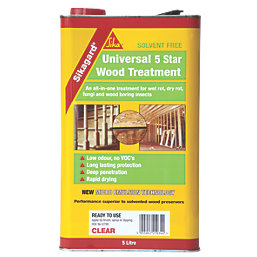
Woodworm treatment sprays - These kill the larvae and help you protect treated timber. Make sure to follow the product instructions regarding how to kill woodworm with the product, and re-treat if the instructions say so.
-
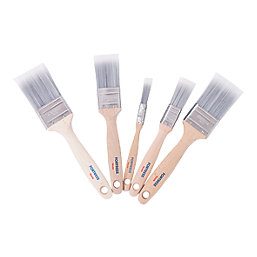
Paint brushes - Useful for applying the treatment evenly on exposed timber and end grain.
-
Protective gloves and masks - Gloves will help you reduce skin contact with the treatment, while dust masks are a good safety precaution when you’re sanding or cleaning the timber.
-
Screwdrivers - Useful for probing any soft spots you identify, and checking whether the timber is structurally sound.
-
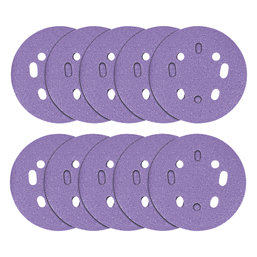
Sandpaper - Helps with removing loose finish, old coatings, and dirt so that your treatment can reach the timber. Make sure you’re working in a well-ventilated area, as sanding creates dust.
Step-By-Step: How To Treat Woodworms
Effective DIY woodworm treatment is possible when the infestation is localised, and the timber is structurally sound. The key to knowing how to get rid of woodworm effectively is careful preparation, safe treatment application, and patience. You may need to carry out a repeat treatment, and if the infestation is widespread or the wood is badly weakened, you may need to seek specialist help.
Step 1: Assess timber integrity
The first step is checking whether the wood is still strong enough to be saved. Use a screwdriver to probe around the exit holes and frass, particularly if you’re checking for woodworm in floorboards, joists, or beams.
Step 2: Prepare the area and wood
Clear the area, remove any loose dust, and where needed, sand back the paint or varnish. Product labels will commonly advise that the wood should be clean and dry before you apply the treatment, and you should only work in a well-ventilated area.
Step 3: Apply woodworm treatment
Apply your product to all accessible and affected surfaces, paying close attention to holes, end grain, or nearby timber. Make sure to check the instructions on how to kill woodworm with your product, looking at coverage rate, drying time, and reapplication advice. If you’re looking into how to treat woodworm in furniture, it’s always best to move the item outside or into a well-ventilated space while you’re applying the treatment.
Step 4: Monitor and prevent future infestations
Periodically check the timber over the coming weeks and months, looking for new holes, fresh dust, or signs of weakness you hadn’t noticed before. When dealing with woodworm, prevention matters as much as treatment, so be sure to reduce moisture, and give the wood plenty of ventilation.
Treating Different Areas
The treatment you use should match the type of timber, and how much risk of damage there is from a woodworm infestation. Pieces of furniture can often be handled as a contained project, while woodworm in floorboards or structural timbers may require more caution due to their load-bearing function. When looking after fence and decking or other outdoor timbers, these will require weather-aware preparation and careful product selection.
Treating infested furniture
Knowing how to treat woodworm in furniture is crucial, as wooden furniture can be vulnerable to beetles laying their eggs in joints, cracks, or unfinished areas. Make sure to check for exit holes, loose or weakened joints, and frass, then move the item you’re working on away from any other timber before you get started. Sand the affected area, apply your treatment to all exposed surfaces, then let the whole thing dry before you bring the piece back indoors. If the furniture is antique, or badly affected by woodworm, you may need to hire a restorer or specialist.
Treating infested floorboards
Knowing how to treat woodworm in floorboards is also very important, as the beetles can spread through hidden timbers and cause invisible damage beneath the surface. Check for exit holes, weak spots, or fine frass around the affected area, then lift any carpets or coverings so you can inspect the boards properly. Apply your treatment to the floorboards and any exposed joints, then leave everything to dry before replacing the coverings.
Treating structural timber
Treating woodworm in structural timber is especially important, as beams, joists, and roof timbers can all be seriously weakened and become unsafe if the infestation is left untreated for too long. Like with other timbers, check for fresh exit holes, crumbling wood, or frass, making sure the area is clear so you can assess the full extent of the damage. Apply the treatment carefully to all exposed timber, ensuring it reaches cracks, joints, and end grain, then leave it to dry before any repairs. If the timber is badly affected or load-bearing, seek expert advice immediately.
Common Mistakes To Avoid When Treating Woodworm
There are a number of common mistakes to be aware of when treating a woodworm infestation. One is treating only the visible holes, and missing the nearby timber that may also be affected. Another common issue is under-treating, which can leave active larvae alive, and give the infestation time to return, highlighting the importance of knowing how to kill woodworm thoroughly the first time. Ignoring safety precautions is another common error, for example sanding or using biocidal products without a mask, ventilation, or proper label checks. It’s also crucial not to ignore damp or poor ventilation, as these conditions are often what left the timber vulnerable to an infestation in the first place.
Treating Woodworms - FAQs
Here’s some FAQs you can use for quick reference while treating woodworm using DIY tools and techniques.