
How Long Does Rat Poison Take to Work?
How Long Does Rat Poison Take to Work?
Contents:
- What is rat poison and how does it work?
- Types of rat poison and how they differ
- How long does rat poison take to work?
- Tips to increase the effectiveness of rat poison
- Safety considerations when handling rat poison
- Alternatives to rat poison
- Aftercare and next steps after applying rat poison
- When to hire a professional for pest control
- Key takeaways for how long rat poison takes to work
- FAQs

So you’ve tried everything under the sun to clear your rodent infestation? Rodents can be a thorny issue and removing them can be a real challenge.
Whether they’re stealing from your bins or breaking through property, rats are plentiful and a definite pest. There are a few ways to remove them, too. The most controversial but most effective is rat poison and in this blog we’ll cover types of toxin, tips to increase bait effectiveness, poison alternatives, and how to safely handle rodenticides.
To note, rat poison isn’t a humane option and is highly controversial. However, when all other forms of rat removal have failed, this blog answers
‘How long does rat poison take to show in rats?’
‘How long does rat poison take to work?’
‘How does rat poison work?’
Read on.
Shop Pest Control Related Categories
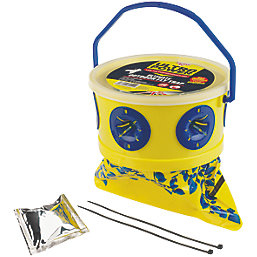
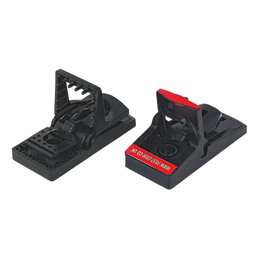
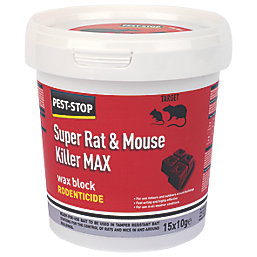
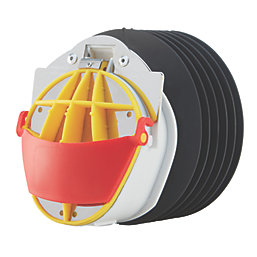


What is rat poison and how does it work?
‘How does rat poison work? Rat poison is an effective method to eradicate rodents and usually the last resort. It comes in a few forms, each working differently but with the same end result of eliminating your rodent infestation.
The most popular forms are anticoagulants and these toxins fall into two distinct camps of ‘First Generation’ and ‘Second Generation’ poisons.
First-generation anticoagulants (FGARs) work slowly, with rodents requiring multiple feeds for the toxin to take effect. Some popular poisons utilising this method are Wayfarin, Chlorophacinone, and Coumatetralyl.
Second-generation anticoagulants (SGARs) are a more lethal rodenticide, with rodents only needing one feed for mortality. Brodiafacoum and Bromadiolone are two examples.
Both types of venom work the same way. Thinning the rodent’s blood until circulation can’t be controlled, leading to a pain-free death.
Other rat poisons exist, such as metal phosphides and non-anticoagulants. These function differently from the above, but achieve the same results.
But, ‘How long does rat poison take to show in rats?’. Read on to find out.
Types of rat poison and how they differ
Rodenticides come in a few forms, each acting differently from the last. Speed and effectiveness and safety are no doubt top of your mind when choosing your type of toxin, and this is what each poison offers.
-
First-generation poisons (FGARs) usually take up to a week to achieve results but need regular ingestion from rodents.
-
Second-generation poisons (SGARs) are more deadly, with a single ingestion enough to take lethal effect in around 3 days. Plus, because of the high toxicity, these are better suited for a household with pets, as there is less risk of secondary poisoning.
-
Metal phosphides work within 1-3 days. However, they are toxic to humans and pets.
Rat poison tends to come housed in two types. There are block and grain, or loose bait rodenticides, each with their own strengths.
Block is typically a food or wax-based substance blended with poison. Sweet to rats, it’s weather-resistant, attaches to baits more sturdily, and leans into typical rat gnawing tendencies.
Grain, or loose bait, are small pellets partnered with grains, like oats, and are usually the preferred choice when dealing with mice. For complaint use, bait stations are needed.
This should answer ‘How long for rat poison to work?’. But if need more detail, scroll on.
How long does rat poison take to work?
If you’re asking ‘How long does rat poison take to work?’ then this next paragraph is for you. Of course, toxin type is a primary factor when deciding the duration effectiveness.
Operating with FGARs sees a 7-day turnaround whereas SGARs and metal phosphides both take several days. However, poison efficacy depends on various things, like the rodent’s size. Larger rats may need a bigger dose. Whereas smaller succumb to less of the toxin.
Healthy or resistant rats might be able to repel the poison, requiring more potent substances to see lethality.
That’s even if the rats or mice consume your bait. Rodents are creatures of habit and will stay away from unfamiliar food sources. So, if there’s grub they’re used to, they’ll likely pick that over your newly placed bait station.
‘How long for rat poison to work?’ There’s your answer. More info’ is below.
How do I know if rat poison is working?
Signs your rodent issue is coming under control are a decrease in droppings, gnaw marks, sightings, bait consumption, and dead rodents around your stations or area of infestation.
These vary when you consider rat size and health. Plus, the toxin may show no clear sign of working, with your pest problem possibly too big for DIY control.
But effects can take time to show. Anticoagulant agents may take several days to a week whereas more acute poisons can act within hours. Patience, in the form of rat removal, can be a virtue.
Tips to increase the effectiveness of rat poison
‘How long does rat poison take to show in rats?’ Well, it varies on toxin type and the strategy of your approach. When considering rodenticides, your tick list should cover these points.
-
Poison placement is key. Near a nest or prior food source is most effective. Also, remove other distracting feeding areas as these could lure your infestation away from your rat traps.
-
Fresh bait and blending with food can help boost efficiency. Out-of-date or stored way poison efficacy will be reduced. Mixing bait with common attractants like eggs, may help.
-
Bait stations and robust rat traps help confine and protect your toxin, making it only for rodents.
-
Keep an eye on your bait and regularly update your toxin levels. Keep portions small to encourage consumption.
-
Remove dead rodents from around feeding areas as this is a huge deterrent to other rats or mice.
Safety considerations when handling rat poison
Rat poisons are a deadly substance and as such can cause harm to humans, pets, and other animals. Proper safety precautions must be taken to avoid accidentally poisoning something other than your rodent infestation.
-
Wear protective, disposable gloves when handling and always wash your hands after use.
-
Bait stations help prevent children, pets and other animals from accessing the toxin. Place them in areas not visited by those parties.
-
Keep rodenticides locked and stored away from food and always in the manufacturer’s original packaging. Follow packet instructions.
If first or secondary poisoning occurs at a non-target party, seek instant medical attention and do not attempt self-treatment. Additionally, bring your poison’s packaging to the hospital , or vets, as this may help trained professionals.
Alternatives to rat poison
Rat poisons are a highly controversial way of dealing with rodents. So, if you don’t want to use toxins, there are alternatives.
-
Prevention is better than the cure, or so they say. Seal any gaps, cracks, crevices, or entry points with rodent-proof mesh to prevent access in the first place.
-
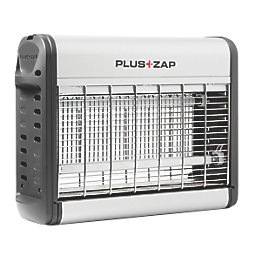
Snap and electronic traps provide painless deaths whereas live capture devices allow you to catch and release.
-
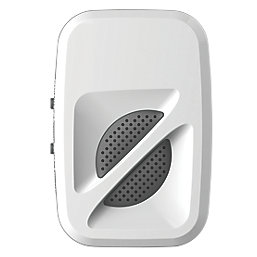
Repellants like ultrasonic devices use high-frequency sound to deter, whereas peppermint oil and ammonia give off scents rodents want to avoid.
-
Non-toxic baits can be just as lethal as poison, but won’t cause any secondary poisoning.
Aftercare and next steps after applying rat poison
If you decide on rat poison over the alternatives it’s important you understand proper aftercare is followed after its placement.
Build regular bait station check-ins to observe if your poison is effective. Remove dead rodents to avoid bait shyness from other rats and clean and replenish your rodenticides as appropriate.
When disposing of dead rats wear protective clothing and double-bag the carcass. Depending on your region's regulations you can dump in landfill, incinerate, or bury deep enough to avoid scavenger interference. After, sanitise and ventilate your area well, using hand cleansers for a thorough scrub.
To get rid of unused poison be sure to use a hazardous waste site. Never put in a regular rubbish bin or pour down the drain as both can harm the environment.
When to hire a professional for pest control
How long does rat poison take to work? The thing is, a DIY approach will only get you so far and sometimes professional help is the only course of action. Why?
If you see rodents in the day, considerable damage to property, or hear scurrying in the night, after all your best efforts, you should call in the pros.
They’ll have the proper tools, techniques, and skillset to minimise disruption but maximise deadly effectiveness.
Key takeaways for how long rat poison takes to work
We hear ‘How long does rat poison take to work?’ and ‘How long for rat poison to show in rats?’ all the time and know the best course. And now so should you.
You now know that toxin type, placement technique, and a strategic approach usually decide the timeframe of rodenticide effectiveness. Plus, you’re aware of proper safety precautions and how to dispose of both dead rats and unused poison.
Remember to be patient, as rodent removal can take time. However, if your DIY methods are becoming too complex or you see an increase in rodent activity, it’s time to call pest control professionals.