
How To Cut Polycarbonate Sheets
How To Cut Polycarbonate Sheet

Polycarbonate sheets are the perfect plastic substitute for glass and are used in tonnes of household and industrial settings. Durable, versatile, transparent, and lightweight, they stand up to the toughest of conditions and look good doing it.
If they’re so tough, how do you cut a polycarbonate sheet? We’ll walk you through the required tools and materials to cut a polycarbonate sheet, the proper process to ensure a clean cut, and the common mistakes you want to avoid.
Shop Cutting Related Categories
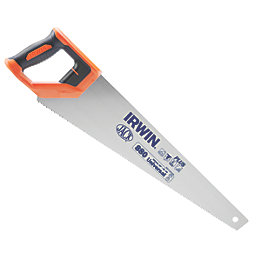
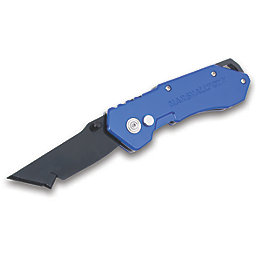
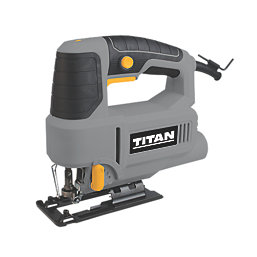
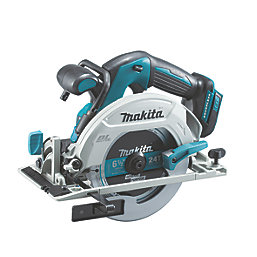
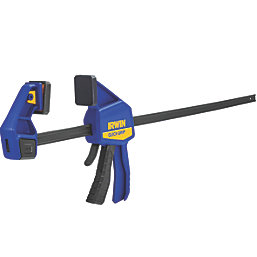
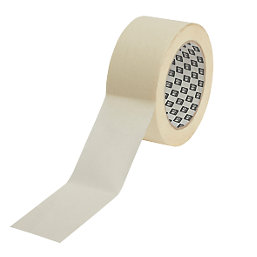
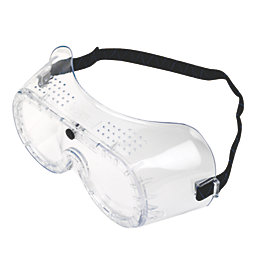

Tools and materials needed for cutting polycarbonate sheets
Doing anything right requires the correct tools and materials. It’s no different when it comes to cutting polycarbonate sheets. Depending on the thickness of your sheets, you’ll need either a utility knife, circular saw, or jigsaw. However, before we get on to the subject of your main cutting device, here’s everything you’ll need to cut a polycarbonate sheet.
Not using the right tools could mean cracked sheets, melted material, or uneven edges that lead to physical or property harm. So, it’s vital you have the right equipment before you begin.
How to cut polycarbonate sheets Step-by-step
Use your measuring tape, ruler, and pen to mark your cutting line. Don’t forget to use a straight edge to ensure a clean cut, avoiding any minor deviations from your measurement and potential fitting issues down the line.
The straight edge is found on your work surface, which leads us to the next step.
Step 2. Secure the sheets
A crucial lesson in learning how to cut polycarbonate sheets is securing them so they don’t move. If your sheets slip as you slice, it could result in an uneven cut or, worse, physical damage to you or someone around you.
To prevent any of that, fasten your sheet with clamps. Then, when you’ve secured your sheet to your work bench, it’s time to choose the right tool to cut your polycarbonate.
Step 3. Choosing the right tool
If you want to know the best way to cut polycarbonate sheets and the correct cutting tool, then you need to know the thickness. Knowing your sheet’s density is important because choosing the incorrect tool could damage the material.
For sheets up to 3m, utility knives are a safe bet. They effectively score and cut polycarbonate sheets at that density without much friction. Circular saws are ideal for thicker sheets, ranging from 3mm up to 5mm, and jigsaws excel at cutting polycarbonate sheets that are thick and curved.
Step 4. Make the cut
Tools picked. Materials secure. Now, this is how to cut a polycarbonate sheet cleanly and effectively.
If using a knife, slowly and surely cut along your marked line. If you’ve chosen a circular saw or jigsaw, be sure to use a fine-toothed blade. With circulars and jigsaws, operate at 4000 rpm with a 250-300m blade. When using a jigsaw, choose one with a flat sole plate to help keep constant contact between the blade and the material.
This ensures a precise cut and prevents damage.
Plus, peel the UV film slightly back from your cutting line, but do not remove it, as this helps install your sheet later on.
Step 5. Smooth the edges
After cutting your polycarbonate sheet, smoothing down your edges is vital in removing rough or sharp rims, supplying a clean and professional looking finish. Uneven borders can lead to stress cracks, too.
Sandpaper usually does the trick, but there are hand sanding tools available as well.
Common mistakes when cutting polycarbonate sheets
That’s how to cut polycarbonate sheets. But it’s also best to be aware of common mistakes so you can avoid making them. This means your polycarbonate sheet won’t crack when being cut or not fit properly in place because of rough edges.
-
Unmeasured cutting line. Double-check your measurements and marked line before you begin. Run tape along either side to guide your motion and avoid cutting where you don’t want to.
-
Unsecured sheets. When you go to cut your unfastened polycarbonate sheet, it may slip or slide, resulting in uneven cuts, material damage, or physical harm.
-
Overlooked safety. Wear protective equipment like safety goggles, work gloves, and ensure your cutting area is well-lit.
-
Unpeeled protective film. Cutting through the UV film makes it difficult to remove later. So, slightly peel at your marked line before cutting.
-
Unfinished edges. Uneven borders can lead to issues around how your polycarbonate sheets look, work, and last.
-
Wrong tools. Using coarse blades, saws, or knives not designed for the action can lead to cracks, melting, or jagged edges.
-
Hasty cuts. Rushing the cut creates excessive heat, melted rims, and blocked blades.
Clean polycarbonate. Wipe away dust and dirt as they can affect cutting efficiency.
Key considerations when cutting polycarbonate sheets
Proper preparation with the right tools, materials, and techniques are essential for a clean cut. Measuring the thickness of your polycarbonate and choosing the relevant cutting tool is vital, as is securing your sheet to avoid any slippages. A slow and sure cutting motion is needed to prevent broken blades and melted or abrased edges.
All this is to be done with the proper personal protective equipment, like work gloves or safety goggles. Cutting polycarbonate sheets is similar to cutting skirting boards and perspex.